Product Description
| Mold | Material | Surface Treatment | Size | Drawing Format |
|
Mold Material: Cr12 Mold Life Time: 100K times |
65Mn |
blue-white zinc plate |
1)According to clients’ drawings 2)According to clients’ samples |
PDF, STEP, STP DWG, X_T, IGS |
(1) This sheet metal product is our custom-made stamping parts, it’s processed by punching
machine through stamping tooling, the subsequent process of the stamping product is made of sheet metal
is finished by tapping, deburr, chamfer, riveting, anodizing, packing, the OEM metal stamping products,
sheet metal brackets can be used as medical instruments and medical apparatus hardware mounting brackets.
(2) We are a professional metal manufacturing factory for sheet metal parts, stamping parts is our
featured product, we specialize in designing and manufacturing all kinds of high-quality stamping
product made of sheet metal, we have a lot of advanced equipment and a nice team who can use
Solidworks, CAD, etc, professionally to produce sheet metal precision stamping products.
(3) Any OEM/ODM is available! We have 13 years of professional experience of metal, especially for sheet
metal products, metal stamping parts and CNC parts manufacturing, and hardware accessories.
(4) Before mass production, we offer pre-production samples of the sheet metal fine stamping product and
all other sheet metal stamping parts are for customer final confirmation.
Work Shop Show
Stamping Process Acknowledge
Confusion is often found when determining the appropriate process for metal stamping. When selecting a metal stamping process, 1 should consider:
- How the stamping process will impact the functionality of the design
- The design or industry-specific requirements
- Production time and cost-effectiveness
Common Metal Stamping Processes
Disregarding steps such as design and prototyping, which are necessarily performed prior to stamping, there are 9 primary processes involved in the actual stamping of metal parts.
Blanking
When required, blanking is the first step of the stamping process. Blanking is the process of cutting larger sheet or coils of metal into smaller, more manageable pieces. Blanking is usually performed when a stamped metal piece will be drawn or formed.
Piercing
If a part requires slots, holes, or other cutouts, piercing can be employed. Piercing, which can be performed simultaneously with blanking, punches the requisite shapes out of the metal sheet.
Drawing
Drawing is the actual stamping in the metal stamping process. A punch forces a section of metal through a die, providing the primary shape of the part. When the depth of the part is less than the primary opening, it is considered shallow drawing; parts with a depth greater than the opening are deep drawn.
Bending
Bending is a fairly self-explanatory process. The part-in-progress is placed on a specially designed die and a ram pushes against the metal, providing the required bend. Bending is performed after drawing, as attempting to punch an already bent piece of metal causes the entire part to deform.
Air Bending
Air bending is when the flat surface of a part is bent by a punch into a die, often V-shaped. The space between the punch and die is larger than the metal thickness, resulting in a bend that relaxes slightly when the part is released. Air bending uses less power and pressure than other bending methods.
Bottoming and Coining
Bottoming and coining are bending processes are similar to air bending, but use anywhere from 2 to 30 times the pressure and the material is forced fully into a tight-fitting die, resulting in a more permanent bend.
Forming
Forming is a bending process similar to bending, bottoming, and coining. It creates parts with multiple bends, such as U-bends, in 1 step.
Pinch Trimming
Pinch trimming is a method of cutting a piece from the metal sheet, separating it from the scrap metal. It is an unconventional process: the metal is pinched against a flat vertical surface. It is often, but not exclusively, used to cut deep drawn round cups from the sheet.
Lancing
A unique process, lancing is a type of metal cutting used to make vents or tabs. A section of a part is cut along 3 edges and simultaneously bent. This creates the opening or hook-like feature required but eliminates a scrap collection or secondary machining step.
FQA
Q: What is the payment method?
A: We accept TT (Bank Transfer), Western Union, L/C.
1. For total amount under US$500, 100% in advance.
2. For total amount above US$500, 30% in advance, the rest before shipment.
Q: What is your MOQ?
A: MOQ depends on our client’s needs, besides, we welcome trial order before mass-production.
Q: What is the production cycle?
A: It varies a lot depending on product dimension,technical requirements and quantity.
We always try to meet customers’ requirement by adjusting our workshop schedule.
Q: What kind of payment terms do you accept?
A: T/T, western union, etc.
Q: Is it possible to know how is my product going on without visiting your company?
A: We will offer a detailed products schedule and send weekly reports with digital pictures
and videos which show the machining progress.
Q: If you make poor quality goods ,will you refund our fund?
A: We make products according to drawings or samples strictly until they reach your 100%
satisfaction.And actually we wont take a chance to do poor quality products.We are proud of
keeping the spirit of good quality.
| After-sales Service: | 1 Hour Response |
|---|---|
| Warranty: | 12 Months Gurantee |
| Type: | Cold Stamping |
| Processing Type: | Deep Drawing |
| Material: | Carbon Steel |
| Mould: | Multistep Progressive Dies |
| Samples: |
US$ 10/Piece
1 Piece(Min.Order) | |
|---|
| Customization: |
Available
|
|
|---|
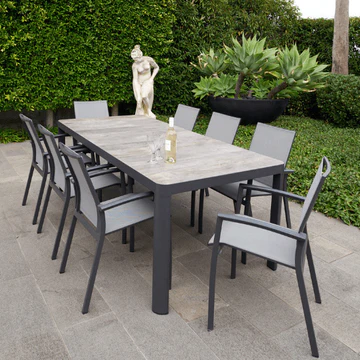
What types of cushions and fabrics pair well with aluminum garden furniture?
When choosing cushions and fabrics to pair with aluminum garden furniture, it’s important to consider both style and practicality. Here are some types of cushions and fabrics that work well with aluminum furniture:
1. Outdoor-Specific Fabrics:
Opt for fabrics that are specifically designed for outdoor use. These fabrics are typically made from durable materials that are resistant to fading, mildew, and moisture. Examples include solution-dyed acrylic, polyester, or olefin fabrics. They are often treated to withstand UV rays and are easy to clean.
2. Water-Resistant or Waterproof Fabrics:
Consider using water-resistant or waterproof fabrics for your cushions. These fabrics have a protective coating or treatment that repels water and prevents it from seeping into the cushions. They are particularly useful for areas with frequent rain or high humidity.
3. Fade-Resistant Fabrics:
Choose fabrics that are fade-resistant to ensure long-lasting vibrant colors. Fabrics with UV protection or those that have been solution-dyed tend to resist fading when exposed to sunlight. This is especially important if your furniture is placed in a sunny area.
4. Quick-Drying Cushions:
Consider cushions with quick-drying properties, especially if your furniture is exposed to rain or if you live in a humid climate. These cushions are designed to allow water to drain quickly, preventing moisture buildup and reducing the risk of mold and mildew.
5. Cushion Fill:
Consider the type of cushion fill that pairs well with aluminum furniture. Popular options include foam, polyester fiberfill, or a combination of both. Foam provides firm support, while polyester fiberfill offers a softer feel. Choose a cushion fill that suits your comfort preferences.
6. Color and Design:
Select cushion colors and designs that complement your aluminum furniture and your outdoor space. Opt for colors that coordinate with the surrounding environment or choose patterns and textures that add visual interest to the overall aesthetic.
7. Removable and Washable Covers:
Look for cushions with removable and washable covers. This feature allows for easy cleaning and maintenance, ensuring that your cushions stay fresh and free from dirt and stains. Check the care instructions to ensure that the covers can be safely machine-washed or spot-cleaned.
By considering outdoor-specific fabrics, water-resistant or waterproof options, fade-resistant fabrics, quick-drying cushions, cushion fill, color and design choices, and removable and washable covers, you can select cushions and fabrics that not only enhance the comfort and style of your aluminum garden furniture but also withstand outdoor conditions for long-lasting enjoyment.
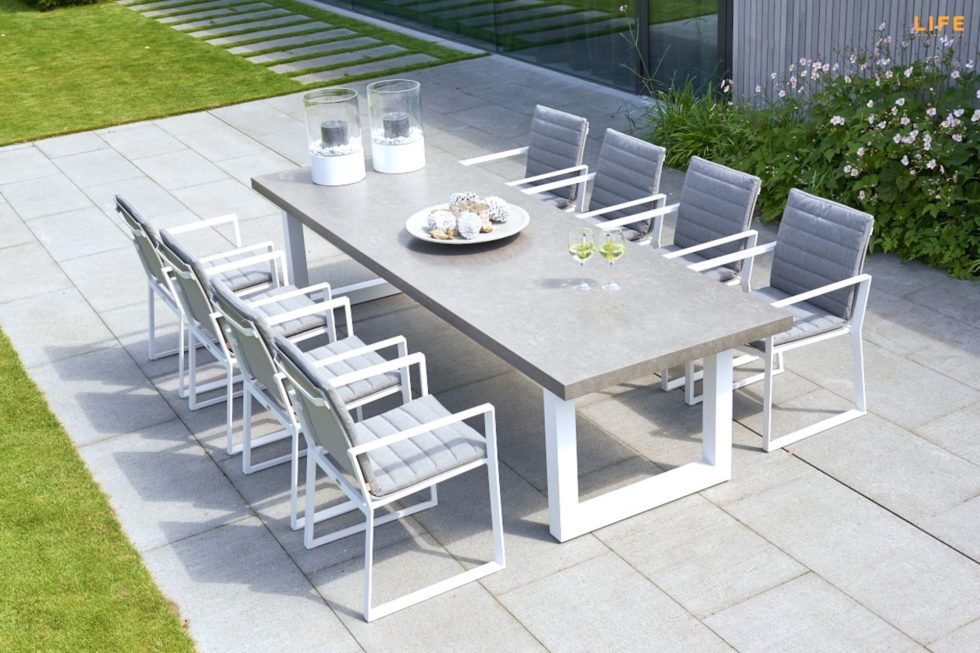
What are the advantages of using powder-coated aluminum for garden furniture frames?
Powder-coated aluminum offers several advantages when used for garden furniture frames. Here are the key benefits:
1. Durability:
Powder coating creates a highly durable finish that can withstand outdoor conditions. The powder coating process involves applying a dry powder to the aluminum surface and then curing it in an oven. This results in a hard and protective layer that resists chipping, scratching, and fading. The durable nature of powder coating ensures that the furniture frames can withstand regular use and exposure to the elements without significant wear or damage.
2. Weather Resistance:
Powder-coated aluminum is highly resistant to weathering. It can withstand exposure to sunlight, rain, humidity, and temperature fluctuations without corroding or deteriorating. The powder coating acts as a barrier that protects the aluminum from moisture, UV rays, and other environmental factors that can cause damage. This makes powder-coated aluminum ideal for outdoor furniture that needs to withstand various weather conditions throughout the year.
3. Color Options:
Powder coating offers a wide range of color options for garden furniture frames. The powder coating process involves using pigmented powders, allowing for customization in terms of color and finish. Whether you prefer vibrant hues or subtle tones, there are numerous color choices available to suit your aesthetic preferences and complement your outdoor decor. Additionally, the color of powder-coated aluminum remains vibrant and fade-resistant over time.
4. Easy Maintenance:
Powder-coated aluminum is relatively low-maintenance compared to other materials. The smooth and non-porous surface of the powder coating makes it easy to clean. Generally, regular cleaning with mild soap and water is sufficient to keep the frames looking their best. The durable finish also helps prevent the accumulation of dirt, stains, and grime, making maintenance tasks easier and less frequent.
5. Eco-Friendly:
Powder coating is an environmentally friendly finishing option. The powder coating process does not involve the use of solvents or emit harmful volatile organic compounds (VOCs) into the air. Additionally, powder coatings are highly efficient, with minimal waste, as any overspray can be collected and reused. This makes powder-coated aluminum a sustainable choice for garden furniture.
Overall, the advantages of using powder-coated aluminum for garden furniture frames include durability, weather resistance, a wide range of color options, easy maintenance, and eco-friendliness. These qualities make powder-coated aluminum an excellent choice for outdoor furniture that can withstand the elements while maintaining its appearance and functionality over time.
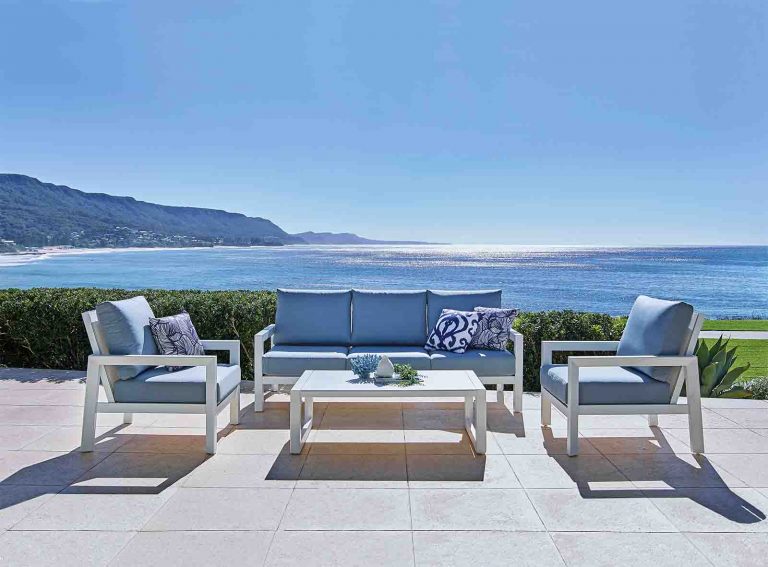
How does aluminum garden furniture compare to other materials like wood or wicker?
When comparing aluminum garden furniture to other materials like wood or wicker, there are several factors to consider. Each material has its own unique characteristics and advantages. Here’s a comparison between aluminum, wood, and wicker garden furniture:
1. Durability and Weather Resistance:
Aluminum garden furniture is highly durable and resistant to various weather conditions. It is rust-resistant, lightweight, and does not require extensive maintenance. On the other hand, wood furniture requires regular maintenance, such as sealing or staining, to protect it from moisture, UV rays, and pests. Wicker furniture, typically made from natural or synthetic fibers, is prone to fading, mold, and mildew if not properly cared for.
2. Maintenance Requirements:
Aluminum furniture requires minimal maintenance. It can be easily cleaned with mild soap and water. Wood furniture, especially if left untreated, may require regular cleaning, sanding, and refinishing to maintain its appearance and durability. Wicker furniture may need occasional cleaning and spot treatment to prevent mold or mildew growth.
3. Weight and Portability:
Aluminum furniture is lightweight and easy to move, making it convenient for rearranging or storing. Wood furniture is heavier and may require more effort to move. Wicker furniture is generally lighter than wood but heavier than aluminum, offering a balance between portability and stability.
4. Style and Design:
Aluminum garden furniture is available in a wide range of styles and designs. It can be shaped and formed into various modern or traditional designs to suit different outdoor aesthetics. Wood furniture offers a classic and natural look, with options for different wood species and finishes. Wicker furniture has a distinct woven texture and is often associated with a more casual or tropical style.
5. Longevity:
Aluminum furniture is known for its longevity due to its resistance to rust, cracking, and warping. With proper care, it can last for many years. Wood furniture can also have a long lifespan if properly maintained, but it may require more regular upkeep. Wicker furniture, especially natural wicker, may have a shorter lifespan compared to aluminum or wood due to its susceptibility to damage from weather and moisture.
6. Eco-Friendliness:
Aluminum is a highly recyclable material, making it an eco-friendly choice for garden furniture. Wood furniture can be sustainable if sourced from responsibly managed forests. Wicker furniture made from natural fibers is biodegradable and renewable, while synthetic wicker may not be as environmentally friendly.
Ultimately, the choice between aluminum, wood, or wicker garden furniture depends on your specific preferences, budget, and the desired look for your outdoor space. Consider factors such as durability, maintenance requirements, style, and environmental impact when making your decision.
editor by CX 2023-11-10
China best Pulley Parts Flagpole Pulleys & Replacement Parts Dmm Pinto Pulley Motor Pulley Parts Gym Cable Pulley Parts vacuum pump for ac
Product Description
| Mold | Material | Surface Treatment | Size | Drawing Format |
|
Mold Material: Cr12 Mold Life Time: 100K times |
65Mn |
blue-white zinc plate |
1)According to clients’ drawings 2)According to clients’ samples |
PDF, STEP, STP DWG, X_T, IGS |
(1) This sheet metal product is our custom-made stamping parts, it’s processed by punching
machine through stamping tooling, the subsequent process of the stamping product is made of sheet metal
is finished by tapping, deburr, chamfer, riveting, anodizing, packing, the OEM metal stamping products,
sheet metal brackets can be used as medical instruments and medical apparatus hardware mounting brackets.
(2) We are a professional metal manufacturing factory for sheet metal parts, stamping parts is our
featured product, we specialize in designing and manufacturing all kinds of high-quality stamping
product made of sheet metal, we have a lot of advanced equipment and a nice team who can use
Solidworks, CAD, etc, professionally to produce sheet metal precision stamping products.
(3) Any OEM/ODM is available! We have 13 years of professional experience of metal, especially for sheet
metal products, metal stamping parts and CNC parts manufacturing, and hardware accessories.
(4) Before mass production, we offer pre-production samples of the sheet metal fine stamping product and
all other sheet metal stamping parts are for customer final confirmation.
Work Shop Show
Stamping Process Acknowledge
Confusion is often found when determining the appropriate process for metal stamping. When selecting a metal stamping process, 1 should consider:
- How the stamping process will impact the functionality of the design
- The design or industry-specific requirements
- Production time and cost-effectiveness
Common Metal Stamping Processes
Disregarding steps such as design and prototyping, which are necessarily performed prior to stamping, there are 9 primary processes involved in the actual stamping of metal parts.
Blanking
When required, blanking is the first step of the stamping process. Blanking is the process of cutting larger sheet or coils of metal into smaller, more manageable pieces. Blanking is usually performed when a stamped metal piece will be drawn or formed.
Piercing
If a part requires slots, holes, or other cutouts, piercing can be employed. Piercing, which can be performed simultaneously with blanking, punches the requisite shapes out of the metal sheet.
Drawing
Drawing is the actual stamping in the metal stamping process. A punch forces a section of metal through a die, providing the primary shape of the part. When the depth of the part is less than the primary opening, it is considered shallow drawing; parts with a depth greater than the opening are deep drawn.
Bending
Bending is a fairly self-explanatory process. The part-in-progress is placed on a specially designed die and a ram pushes against the metal, providing the required bend. Bending is performed after drawing, as attempting to punch an already bent piece of metal causes the entire part to deform.
Air Bending
Air bending is when the flat surface of a part is bent by a punch into a die, often V-shaped. The space between the punch and die is larger than the metal thickness, resulting in a bend that relaxes slightly when the part is released. Air bending uses less power and pressure than other bending methods.
Bottoming and Coining
Bottoming and coining are bending processes are similar to air bending, but use anywhere from 2 to 30 times the pressure and the material is forced fully into a tight-fitting die, resulting in a more permanent bend.
Forming
Forming is a bending process similar to bending, bottoming, and coining. It creates parts with multiple bends, such as U-bends, in 1 step.
Pinch Trimming
Pinch trimming is a method of cutting a piece from the metal sheet, separating it from the scrap metal. It is an unconventional process: the metal is pinched against a flat vertical surface. It is often, but not exclusively, used to cut deep drawn round cups from the sheet.
Lancing
A unique process, lancing is a type of metal cutting used to make vents or tabs. A section of a part is cut along 3 edges and simultaneously bent. This creates the opening or hook-like feature required but eliminates a scrap collection or secondary machining step.
FQA
Q: What is the payment method?
A: We accept TT (Bank Transfer), Western Union, L/C.
1. For total amount under US$500, 100% in advance.
2. For total amount above US$500, 30% in advance, the rest before shipment.
Q: What is your MOQ?
A: MOQ depends on our client’s needs, besides, we welcome trial order before mass-production.
Q: What is the production cycle?
A: It varies a lot depending on product dimension,technical requirements and quantity.
We always try to meet customers’ requirement by adjusting our workshop schedule.
Q: What kind of payment terms do you accept?
A: T/T, western union, etc.
Q: Is it possible to know how is my product going on without visiting your company?
A: We will offer a detailed products schedule and send weekly reports with digital pictures
and videos which show the machining progress.
Q: If you make poor quality goods ,will you refund our fund?
A: We make products according to drawings or samples strictly until they reach your 100%
satisfaction.And actually we wont take a chance to do poor quality products.We are proud of
keeping the spirit of good quality.
| After-sales Service: | 1 Hour Response |
|---|---|
| Warranty: | 12 Months Gurantee |
| Type: | Cold Stamping |
| Processing Type: | Deep Drawing |
| Material: | Carbon Steel |
| Mould: | Multistep Progressive Dies |
| Samples: |
US$ 10/Piece
1 Piece(Min.Order) | |
|---|
| Customization: |
Available
|
|
|---|
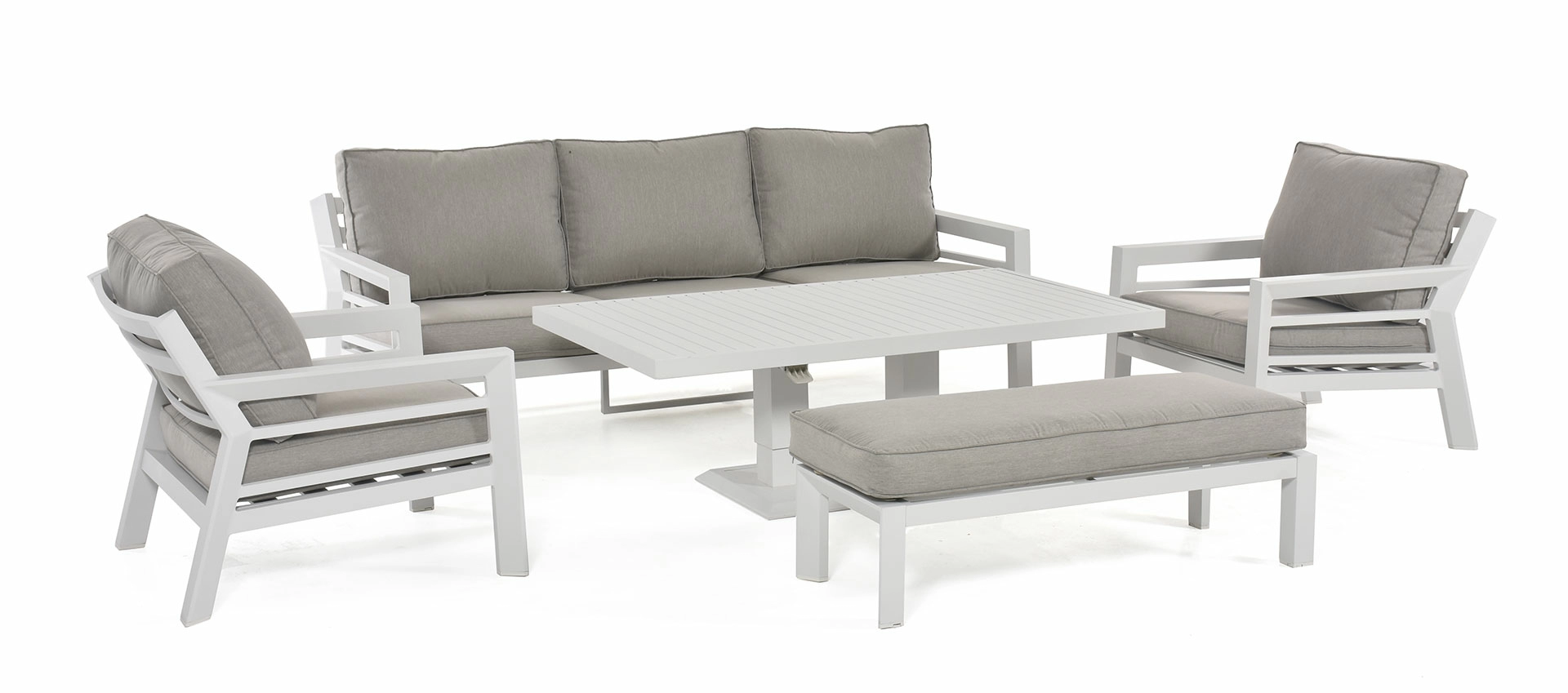
How do I protect my aluminum garden furniture from sun exposure and fading?
To protect your aluminum garden furniture from sun exposure and fading, you can take the following measures:
1. Use Protective Covers:
When your aluminum furniture is not in use, consider covering it with protective covers specifically designed for outdoor furniture. These covers shield the furniture from direct sunlight and help prevent fading. Make sure the covers are properly fitted and secure to withstand wind and other weather conditions.
2. Provide Shade:
If possible, position your furniture in shaded areas of your garden or use umbrellas, awnings, or pergolas to create shade. This will reduce direct exposure to intense sunlight and minimize the risk of fading.
3. Apply Protective Finishes:
Consider applying protective finishes, such as clear coats or sealants, to your aluminum furniture. These finishes can provide an additional layer of protection against UV rays and help maintain the original color of the furniture.
4. Move Furniture to Shaded Areas:
If your furniture is lightweight and portable, you can move it to shaded areas when the sun is at its strongest. This allows you to control the amount of sun exposure your furniture receives and reduce the risk of fading.
5. Clean and Maintain Regularly:
Regular cleaning and maintenance are essential for preserving the appearance of your aluminum furniture. Use a mild detergent and water to clean the furniture, removing any dirt, debris, or stains. Avoid using abrasive cleaners or brushes that may scratch the surface. By keeping your furniture clean, you can prevent dirt buildup that can contribute to fading.
6. Use UV-Protective Fabrics:
If your aluminum furniture has cushions or upholstery, opt for fabrics that offer UV protection. Look for outdoor fabrics specifically designed to resist fading and damage from sunlight. UV-protective fabrics will help prolong the lifespan of your cushions and maintain their vibrant colors.
7. Store Furniture During Long Periods of Non-Use:
If you anticipate long periods of non-use, such as during the winter or when you’re away on vacation, consider storing your aluminum furniture in a covered and dry area to protect it from prolonged sun exposure.
By implementing these protective measures, you can help protect your aluminum garden furniture from sun exposure and fading, ensuring that it remains in good condition and retains its aesthetic appeal for years to come.
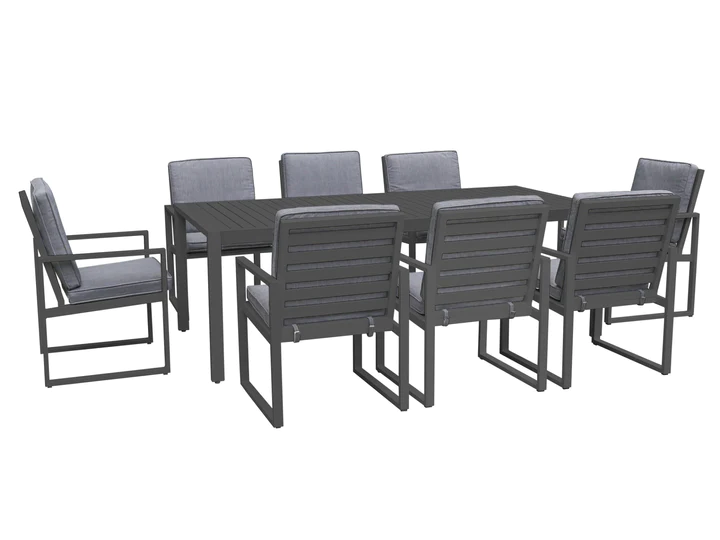
How do I secure aluminum garden furniture to prevent it from tipping over in strong winds?
To prevent aluminum garden furniture from tipping over in strong winds, there are several measures you can take to secure it effectively. Here are some methods to consider:
1. Anchor with Weights:
One of the simplest ways to secure your aluminum garden furniture is by using weights or anchors. This method involves attaching heavy objects to the furniture to increase its stability and prevent tipping. You can use sandbags, concrete blocks, or specially designed furniture weights. Place the weights on the base or legs of the furniture to provide additional stability.
2. Tie-Down Straps:
Using tie-down straps is another effective method to secure your aluminum garden furniture. These straps are typically made of durable materials like nylon or polyester and have adjustable buckles or hooks. Attach one end of the strap to the furniture and the other end to a stable structure such as a wall, fence, or ground anchor. Tighten the straps to ensure the furniture is securely fastened.
3. Ground Stakes:
If your aluminum furniture has legs or a base that can be inserted into the ground, using ground stakes can provide stability. Ground stakes are long, pointed rods that can be driven into the ground next to the furniture legs or base. This helps anchor the furniture and prevent it from tipping over in strong winds. Ensure that the stakes are securely inserted and tightly hold the furniture in place.
4. Wind Clips or Straps:
Wind clips or straps are designed specifically to secure outdoor furniture in windy conditions. These clips or straps attach to the furniture and anchor it to the ground or another stable surface. They often come with adjustable features to accommodate different furniture shapes and sizes, providing a secure connection.
5. Store or Seek Shelter:
In extreme weather conditions, such as storms or hurricanes, it may be best to store your aluminum garden furniture indoors or in a secure storage area. If indoor storage is not possible, consider seeking shelter for the furniture, such as a covered patio, gazebo, or shed. This can provide protection from strong winds and reduce the risk of tipping.
It’s important to assess the specific needs and design of your aluminum garden furniture when choosing a method to secure it. Additionally, always follow manufacturer recommendations and guidelines for securing your furniture, as they may provide specific instructions based on the design and construction of the furniture.
By implementing these measures, you can help ensure that your aluminum garden furniture remains stable and secure even in the face of strong winds, reducing the risk of damage or accidents.
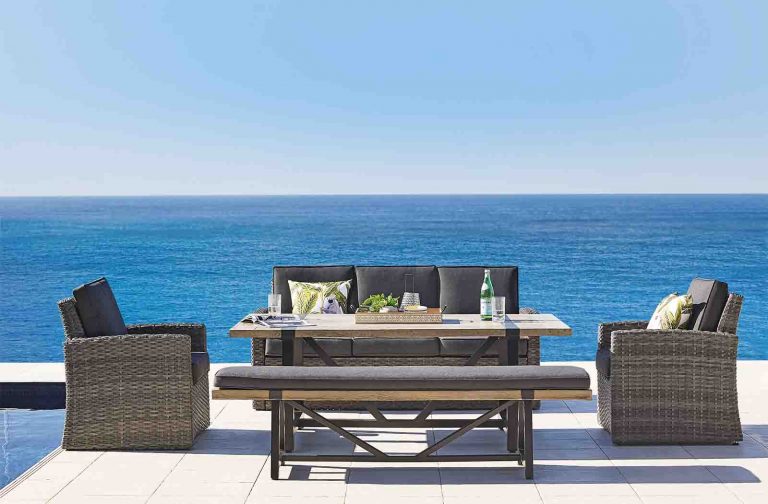
Are there eco-friendly or sustainable options for aluminum garden furniture?
Yes, there are eco-friendly and sustainable options available for aluminum garden furniture. When shopping for environmentally conscious choices, consider the following:
1. Recycled Aluminum:
Look for aluminum garden furniture that is made from recycled materials. Using recycled aluminum helps reduce the demand for new raw materials and minimizes the environmental impact of the manufacturing process. Some manufacturers specifically highlight their use of recycled aluminum in their products.
2. Sustainable Manufacturing Practices:
Choose brands or manufacturers that prioritize sustainable manufacturing practices. Look for certifications or labels such as Forest Stewardship Council (FSC), Sustainable Furnishings Council (SFC), or Cradle to Cradle that indicate a commitment to responsible sourcing, energy efficiency, waste reduction, and other sustainable practices.
3. Low-impact Coatings:
Consider aluminum garden furniture that uses low-impact coatings or finishes. Traditional painting and coating processes can involve harmful chemicals and contribute to pollution. Opt for furniture that uses eco-friendly, water-based or powder-coated finishes that have lower environmental impact.
4. Longevity and Durability:
Choose aluminum garden furniture that is built to last. Investing in high-quality, durable furniture reduces the need for frequent replacements, which in turn reduces waste. Look for furniture with solid construction, reinforced joints, and corrosion-resistant features to ensure longevity.
5. End-of-life Considerations:
When selecting aluminum garden furniture, consider how it can be recycled or disposed of responsibly at the end of its life. Look for furniture that is designed for disassembly, making it easier to recycle or repurpose the different components. Some manufacturers may provide recycling programs or guidance on proper disposal.
6. Local and Handcrafted Options:
Support local artisans or craftsmen who create aluminum garden furniture using sustainable practices. Choosing locally made furniture reduces transportation emissions and supports local economies.
7. Second-hand and Vintage:
Consider purchasing second-hand or vintage aluminum garden furniture. This option extends the lifespan of the furniture and reduces the demand for new production. Look for local thrift stores, online marketplaces, or community platforms for pre-owned furniture.
By considering these eco-friendly and sustainable options, you can make more environmentally conscious choices when selecting aluminum garden furniture. Remember to research brands, certifications, and manufacturing processes to ensure that the furniture aligns with your sustainability goals and values.
editor by CX 2023-11-10