Product Description
FUSHENG Stationary Screw Air Compressor
Model: SAV90
|
Compressed Air Station |
||
|
|
|
|
|
Precision Build Airend |
||
|
|
Every CHINAMFG air compressor incorporates components of the highest quality. From the smallest airend to the largest, each features the latest in rotor profile architecture, combined with multiple roller and angular bearings. Our confidence in the durability and integrity of our design to withstand the radial and thrust forces generated by the compression process, is reflected by our industry-leading airend warranty.
The SA Series’ unique design, features an encapsulated airend, integrated separator tank, inlet valve, spin-on separator, oil filter and inlet filters to optimize space-saving requirements and reduce pipe connections to minimize leakage and lubricant consumption. |
|
|
e-COOL Technology |
||
|
e-COOL is environmentally-friendly technology combining smart compressor layout, strategic component selection and location, and cooling airflow and operation to minimize the impact of temperature on compressor efficiency and reliability.
|
||
|
AIMS Plus Intelligent Control System |
||
|
Standard Features Include:
|
||
About FSI
Since CHINAMFG was founded in 1953, it has transformed from a small ZheJiang ese company to a regional manufacturing enterprise, taking root in China and various Southeast Asian countries such as Malaysia, Thailand, Indonesia and Vietnam. The company was initially built from the ground up, and it overcame daunting challenges to gain a foothold in ZheJiang , where it specialized in overhauling all types of air compressors made in European countries, the United States of America, and Japan. Over the years, CHINAMFG expanded its reach to Europe and North America through mergers and acquisitions, allowing it to become 1 of the most globalized manufacturing groups in the compressor field. CHINAMFG attributes its growth and persistence to its commitment to meet the mission, “Pursuing CHINAMFG and Enriching Life”, as embraced by its founder, Mr. Hou-Teng Lee. As the company continues to grow, it aims to create products and services that are not only competitive in the international market, but also meet the requirements for better environmental protection, energy efficiency, high-quality, and customer satisfaction. With Fusheng’s leading edge and patented R&D technology, automated production equipment, global distribution channels, and integrated global resources, CHINAMFG is equipped to provide a full and complete product line.
Bestrand is a leading supplier of compressed air system. Past 10 years, we established very good partnership with FUSHENG. We have provided all kinds of products from CHINAMFG include air compressor, after treatment, spare parts to customers all over the world. Pls feel free to contact us for a quote.
/* March 10, 2571 17:59:20 */!function(){function s(e,r){var a,o={};try{e&&e.split(“,”).forEach(function(e,t){e&&(a=e.match(/(.*?):(.*)$/))&&1
| Lubrication Style: | Lubricated |
|---|---|
| Cooling System: | Air Cooling or Water Cooling |
| Power Source: | AC Power |
| Cylinder Position: | Vertical |
| Structure Type: | Closed Type |
| Installation Type: | Stationary Type |
| Customization: |
Available
|
|
|---|
.webp)
What is the role of air compressors in power generation?
Air compressors play a significant role in power generation, supporting various operations and equipment within the industry. Here are some key roles of air compressors in power generation:
1. Combustion Air Supply:
Air compressors are used to supply compressed air for the combustion process in power generation. In fossil fuel power plants, such as coal-fired or natural gas power plants, compressed air is required to deliver a steady flow of air to the burners. The compressed air helps in the efficient combustion of fuel, enhancing the overall performance and energy output of the power plant.
2. Instrumentation and Control:
Air compressors are utilized for instrumentation and control systems in power generation facilities. Compressed air is used to operate pneumatic control valves, actuators, and other pneumatic devices that regulate the flow of steam, water, and gases within the power plant. The reliable and precise control provided by compressed air ensures efficient and safe operation of various processes and equipment.
3. Cooling and Ventilation:
In power generation, air compressors are involved in cooling and ventilation applications. Compressed air is used to drive air-operated cooling fans and blowers, providing adequate airflow for cooling critical components such as generators, transformers, and power electronics. The compressed air also assists in maintaining proper ventilation in control rooms, substations, and other enclosed spaces, helping to dissipate heat and ensure a comfortable working environment.
4. Cleaning and Maintenance:
Air compressors are employed for cleaning and maintenance tasks in power generation facilities. Compressed air is utilized to blow away dust, dirt, and debris from equipment, machinery, and electrical panels. It helps in maintaining the cleanliness and optimal performance of various components, reducing the risk of equipment failure and improving overall reliability.
5. Pneumatic Tools and Equipment:
In power generation plants, air compressors provide the necessary compressed air for operating pneumatic tools and equipment. These tools include impact wrenches, pneumatic drills, grinders, and sandblasting equipment, which are utilized for installation, maintenance, and repair tasks. The high-pressure air generated by compressors enables efficient and reliable operation of these tools, enhancing productivity and reducing manual effort.
6. Nitrogen Generation:
Sometimes, air compressors are used in power generation for nitrogen generation. Compressed air is passed through a nitrogen generator system, which separates nitrogen from other components of air, producing a high-purity nitrogen gas stream. Nitrogen is commonly used in power plant applications, such as purging systems, blanketing in transformers, and generator cooling, due to its inert properties and low moisture content.
7. Start-up and Emergency Systems:
Air compressors are an integral part of start-up and emergency systems in power generation. Compressed air is utilized to power pneumatic starters for gas turbines, providing the initial rotation needed to start the turbine. In emergency situations, compressed air is also used to actuate emergency shutdown valves, safety systems, and fire suppression equipment, ensuring the safe operation and protection of the power plant.
Overall, air compressors contribute to the efficient and reliable operation of power generation facilities, supporting combustion processes, control systems, cooling, cleaning, and various other applications critical to the power generation industry.
.webp)
How do you choose the right air compressor for woodworking?
Choosing the right air compressor for woodworking is essential to ensure efficient and effective operation of pneumatic tools and equipment. Here are some factors to consider when selecting an air compressor for woodworking:
1. Required Air Volume (CFM):
Determine the required air volume or cubic feet per minute (CFM) for your woodworking tools and equipment. Different tools have varying CFM requirements, so it is crucial to choose an air compressor that can deliver the required CFM to power your tools effectively. Make sure to consider the highest CFM requirement among the tools you’ll be using simultaneously.
2. Tank Size:
Consider the tank size of the air compressor. A larger tank allows for more stored air, which can be beneficial when using tools that require short bursts of high air volume. It helps maintain a consistent air supply and reduces the frequency of the compressor cycling on and off. However, if you have tools with continuous high CFM demands, a larger tank may not be as critical.
3. Maximum Pressure (PSI):
Check the maximum pressure (PSI) rating of the air compressor. Woodworking tools typically operate within a specific PSI range, so ensure that the compressor can provide the required pressure. It is advisable to choose an air compressor with a higher maximum PSI rating to accommodate any future tool upgrades or changes in your woodworking needs.
4. Noise Level:
Consider the noise level of the air compressor, especially if you’ll be using it in a residential or shared workspace. Some air compressors have noise-reducing features or are designed to operate quietly, making them more suitable for woodworking environments where noise control is important.
5. Portability:
Assess the portability requirements of your woodworking projects. If you need to move the air compressor frequently or work in different locations, a portable and lightweight compressor may be preferable. However, if the compressor will remain stationary in a workshop, a larger, stationary model might be more suitable.
6. Power Source:
Determine the power source available in your woodworking workspace. Air compressors can be powered by electricity or gasoline engines. If electricity is readily available, an electric compressor may be more convenient and cost-effective. Gasoline-powered compressors offer greater flexibility for remote or outdoor woodworking projects where electricity may not be accessible.
7. Quality and Reliability:
Choose an air compressor from a reputable manufacturer known for producing reliable and high-quality equipment. Read customer reviews and consider the warranty and after-sales support offered by the manufacturer to ensure long-term satisfaction and reliability.
8. Budget:
Consider your budget and balance it with the features and specifications required for your woodworking needs. While it’s important to invest in a reliable and suitable air compressor, there are options available at various price points to accommodate different budgets.
By considering these factors and evaluating your specific woodworking requirements, you can choose an air compressor that meets the demands of your tools, provides efficient performance, and enhances your woodworking experience.
.webp)
How is air pressure measured in air compressors?
Air pressure in air compressors is typically measured using one of two common units: pounds per square inch (PSI) or bar. Here’s a brief explanation of how air pressure is measured in air compressors:
1. Pounds per Square Inch (PSI): PSI is the most widely used unit of pressure measurement in air compressors, especially in North America. It represents the force exerted by one pound of force over an area of one square inch. Air pressure gauges on air compressors often display pressure readings in PSI, allowing users to monitor and adjust the pressure accordingly.
2. Bar: Bar is another unit of pressure commonly used in air compressors, particularly in Europe and many other parts of the world. It is a metric unit of pressure equal to 100,000 pascals (Pa). Air compressors may have pressure gauges that display readings in bar, providing an alternative measurement option for users in those regions.
To measure air pressure in an air compressor, a pressure gauge is typically installed on the compressor’s outlet or receiver tank. The gauge is designed to measure the force exerted by the compressed air and display the reading in the specified unit, such as PSI or bar.
It’s important to note that the air pressure indicated on the gauge represents the pressure at a specific point in the air compressor system, typically at the outlet or tank. The actual pressure experienced at the point of use may vary due to factors such as pressure drop in the air lines or restrictions caused by fittings and tools.
When using an air compressor, it is essential to set the pressure to the appropriate level required for the specific application. Different tools and equipment have different pressure requirements, and exceeding the recommended pressure can lead to damage or unsafe operation. Most air compressors allow users to adjust the pressure output using a pressure regulator or similar control mechanism.
Regular monitoring of the air pressure in an air compressor is crucial to ensure optimal performance, efficiency, and safe operation. By understanding the units of measurement and using pressure gauges appropriately, users can maintain the desired air pressure levels in their air compressor systems.


editor by CX 2024-01-23
China Professional 40 Bar 10.0m3/Min Oil Free VSD Two Stages Compressed Screw Air Compressor with high quality
Product Description
40 bar 10.0m3/min oil free vsd 2 stages compressed screw air compressor
Key Parameters:
| MODEL | POWER (KW, HP) |
PRESSURE Bar |
CAPACITY (m³/min) | WEIGHT Kg |
OUTLET POPE DIAMATER |
NOISE LEVEL dB |
| AMQAM7.5A | 5.5KW, 7.5HP | 7/8/10 Bar | 0.65/0.60/0.55 | 380 | G3/4 | 65 |
| AMQM10A | 7.5KW, 10HP | 7/8/10 Bar | 1.05/0.99/0.90 | 380 | G3/4 | 65 |
| AMQM15A | 11KW, 15HP | 7/8/10 Bar | 1.68/1.59/1.45 | 505 | G3/4 | 65 |
| AMQM20A | 15KW, 20HP | 7/8/10 Bar | 2.20/2.10/1.91 | 505 | G3/4 | 65 |
| AMQPM7.5A | 5.5KW, 7.5HP | 7/8/10/13 Bar | 0.65/0.60/0.55/0.45 | 380 | G3/4 | 65 |
| AMQPM10A | 7.5KW, 10HP | 7/8/10/13 Bar | 1.05/0.99/0.90/0.75 | 380 | G3/4 | 65 |
| AMQPM15A | 11KW, 15HP | 7/8/10/13/15 Bar | 1.68/1.59/1.45/1.30/1.14 | 505 | G3/4 | 65 |
| AMQPM20A | 15KW, 20HP | 7/8/10/13/15 Bar | 2.20/2.10/1.91/1.74/1.50 | 505 | G3/4 | 65 |
The powerful features of AIMIQI Compressor System:
1)Security-oriented design.
2)Low energy cunsumption.
3)High efficiency.
4)Low noise.
Warranty:
12 monthes for machine while 3 monthes for consumables.
After-sales service:
Video technical support, Online support.
/* March 10, 2571 17:59:20 */!function(){function s(e,r){var a,o={};try{e&&e.split(“,”).forEach(function(e,t){e&&(a=e.match(/(.*?):(.*)$/))&&1
| After-sales Service: | Online Support, Video Technical Support, Free Spar |
|---|---|
| Warranty: | 12months |
| Lubrication Style: | Oil-free |
| Cooling System: | Air Cooling |
| Power Source: | AC Power |
| Cylinder Position: | Vertical |
| Customization: |
Available
|
|
|---|
.webp)
How are air compressors used in the food and beverage industry?
Air compressors play a vital role in the food and beverage industry, providing a reliable source of compressed air for various applications. Here are some common uses of air compressors in this industry:
1. Packaging and Filling:
Air compressors are extensively used in packaging and filling operations in the food and beverage industry. Compressed air is utilized to power pneumatic systems that control the movement and operation of packaging machinery, such as filling machines, capping machines, labeling equipment, and sealing devices. The precise and controlled delivery of compressed air ensures accurate and efficient packaging of products.
2. Cleaning and Sanitization:
Air compressors are employed for cleaning and sanitization purposes in food and beverage processing facilities. Compressed air is used to operate air-powered cleaning equipment, such as air blowguns, air-operated vacuum systems, and air knives. It helps remove debris, dust, and contaminants from production lines, equipment, and hard-to-reach areas. Additionally, compressed air is used for drying surfaces after cleaning and for applying sanitizing agents.
3. Cooling and Refrigeration:
In the food and beverage industry, air compressors are utilized in cooling and refrigeration systems. Compressed air is used to drive air compressors in refrigeration units, enabling the circulation of refrigerants and maintaining optimal temperatures for food storage and preservation. The controlled airflow provided by the compressors facilitates efficient cooling and refrigeration processes.
4. Aeration and Mixing:
Air compressors are used for aeration and mixing applications in the food and beverage industry. Compressed air is introduced into processes such as fermentation, dough mixing, and wastewater treatment. It helps in promoting oxygen transfer, enhancing microbial activity, and facilitating proper mixing of ingredients or substances, contributing to the desired quality and consistency of food and beverage products.
5. Pneumatic Conveying:
In food processing plants, air compressors are employed for pneumatic conveying systems. Compressed air is used to transport bulk materials such as grains, powders, and ingredients through pipes or tubes. It enables the gentle and efficient movement of materials without the need for mechanical conveyors, reducing the risk of product damage or contamination.
6. Quality Control and Testing:
Air compressors are utilized in quality control and testing processes within the food and beverage industry. Compressed air is used for leak testing of packaging materials, containers, and seals to ensure product integrity. It is also employed for spraying air or gases during sensory analysis and flavor testing.
7. Air Agitation:
In certain food and beverage production processes, air compressors are used for air agitation. Compressed air is introduced into tanks, mixing vessels, or fermentation tanks to create turbulence and promote mixing or chemical reactions. It aids in achieving consistent product quality and uniform distribution of ingredients or additives.
It is important to note that air compressors used in the food and beverage industry must meet strict hygiene and safety standards. They may require specific filtration systems, oil-free operation, and compliance with food safety regulations to prevent contamination or product spoilage.
By utilizing air compressors effectively, the food and beverage industry can benefit from improved productivity, enhanced product quality, and efficient processing operations.
.webp)
How does the horsepower of an air compressor affect its capabilities?
The horsepower of an air compressor is a crucial factor that directly impacts its capabilities and performance. Here’s a closer look at how the horsepower rating affects an air compressor:
Power Output:
The horsepower rating of an air compressor indicates its power output or the rate at which it can perform work. Generally, a higher horsepower rating translates to a greater power output, allowing the air compressor to deliver more compressed air per unit of time. This increased power output enables the compressor to operate pneumatic tools and equipment that require higher air pressure or greater airflow.
Air Pressure:
The horsepower of an air compressor is directly related to the air pressure it can generate. Air compressors with higher horsepower ratings have the capacity to produce higher air pressures. This is particularly important when operating tools or machinery that require specific air pressure levels to function optimally. For example, heavy-duty pneumatic tools like jackhammers or impact wrenches may require higher air pressure to deliver the necessary force.
Air Volume:
In addition to air pressure, the horsepower of an air compressor also affects the air volume or airflow it can provide. Higher horsepower compressors can deliver greater volumes of compressed air, measured in cubic feet per minute (CFM). This increased airflow is beneficial when using pneumatic tools that require a continuous supply of compressed air, such as paint sprayers or sandblasters.
Duty Cycle:
The horsepower rating of an air compressor can also influence its duty cycle. The duty cycle refers to the amount of time an air compressor can operate continuously before it needs to rest and cool down. Higher horsepower compressors often have larger and more robust components, allowing them to handle heavier workloads and operate for longer periods without overheating. This is particularly important in demanding applications where continuous and uninterrupted operation is required.
Size and Portability:
It’s worth noting that the horsepower rating can also affect the physical size and portability of an air compressor. Higher horsepower compressors tend to be larger and heavier due to the need for more substantial motors and components to generate the increased power output. This can impact the ease of transportation and maneuverability, especially in portable or mobile applications.
When selecting an air compressor, it is essential to consider the specific requirements of your intended applications. Factors such as desired air pressure, airflow, duty cycle, and portability should be taken into account. It’s important to choose an air compressor with a horsepower rating that aligns with the demands of the tools and equipment you plan to operate, ensuring optimal performance and efficiency.
Consulting the manufacturer’s specifications and guidelines can provide valuable information on how the horsepower rating of an air compressor corresponds to its capabilities and suitability for different tasks.
.webp)
What is the purpose of an air compressor?
An air compressor serves the purpose of converting power, typically from an electric motor or an engine, into potential energy stored in compressed air. It achieves this by compressing and pressurizing air, which can then be used for various applications. Here’s a detailed explanation of the purpose of an air compressor:
1. Powering Pneumatic Tools: One of the primary uses of an air compressor is to power pneumatic tools. Compressed air can be used to operate a wide range of tools, such as impact wrenches, nail guns, paint sprayers, sanders, and drills. The compressed air provides the necessary force and energy to drive these tools, making them efficient and versatile.
2. Supplying Clean and Dry Air: Air compressors are often used to supply clean and dry compressed air for various industrial processes. Many manufacturing and production operations require a reliable source of compressed air that is free from moisture, oil, and other contaminants. Air compressors equipped with appropriate filters and dryers can deliver high-quality compressed air for applications such as instrumentation, control systems, and pneumatic machinery.
3. Inflating Tires and Sports Equipment: Air compressors are commonly used for inflating tires, whether it’s for vehicles, bicycles, or sports equipment. They provide a convenient and efficient method for quickly filling tires with the required pressure. Air compressors are also used for inflating sports balls, inflatable toys, and other similar items.
4. Operating HVAC Systems: Air compressors play a crucial role in the operation of heating, ventilation, and air conditioning (HVAC) systems. They provide compressed air for controlling and actuating dampers, valves, and actuators in HVAC systems, enabling precise regulation of air flow and temperature.
5. Assisting in Industrial Processes: Compressed air is utilized in various industrial processes. It can be used for air blow-off applications, cleaning and drying parts, powering air-operated machinery, and controlling pneumatic systems. Air compressors provide a reliable and efficient source of compressed air that can be tailored to meet the specific requirements of different industrial applications.
6. Supporting Scuba Diving and Breathing Systems: In scuba diving and other breathing systems, air compressors are responsible for filling diving tanks and supplying breathable air to divers. These compressors are designed to meet strict safety standards and deliver compressed air that is free from contaminants.
Overall, the purpose of an air compressor is to provide a versatile source of compressed air for powering tools, supplying clean air for various applications, inflating tires and sports equipment, supporting industrial processes, and facilitating breathing systems in specific contexts.
editor by CX 2024-01-22
China Hot selling high pressure industrial mobile screw air compressor air compressor price
Product Description
Screw type air compressor structure of a unique design, a compact, stylish appearance, high efficiency, small energy consumption, low noise characteristics and long life, is a smart environment-friendly products. Is widely applied in metallurgy, machinery, chemicals, and mining, and electric power industries of the ideal gas source equipment.
Advantage:
1.The third generation of advanced rotor and concise intake control system
2.Efficient centrifugal separator oil and gas, gas oil content is small,tube and core of long life .
3. Efficient, low noise suction fan of the full use of export dynamic pressure
increased effect of heat transfer (air-cooled)
4. Automatic water-cooling system for large air compressor to provide more
efficient
5.Fault diagnosis system, the control panel is easy to operate
6 Removable door, equipment maintenance, service convenient
7.Micro-electronic processing so that temperature, pressure and other parameters are closely monitored .
PRODUCT HIGHLIGHTS
1.The brand power,reliable quality, stable performance.The harsh thermal equilibrium serviceability can guarantee that the machine work effectively under high temperature environment (≤40ºC).
2.Unique patent design, light load startup system, the air control design is adapt to the drilling work with high stability.
3.Efficient cooling system, divided into 3 parts: water- cooled ,mid- cold, oil cold, which ensure the reliable operation of diesel engine, and it’s suitable for high temperature working environment.
4.Independent research and development of the opposite door design, rational layout, which is easy to do regular maintenace ,with advantages of the fixed and portable compressor.
5.A single point lifting, forklift hole device, equipped with drag ring.It is suitable for repair car transport, easy to transfer and installation of the unit.
6.Waterproof and dustproof design, which is suitable for outdoor hard working environment.
7.According to customer requirements, the heating boiler and remote components is available for cold starting.
BRAND CONFIGURATION
Highly Effective Two-stage Compression Screw Airend
High efficiency 2 stage compression engine, with super long bearing life, high reliable sealing performance, produced product quality and manufacturing precision.The long-term market test has established a good
reputation among the global users.
Long operating life Low maintenance cost
High efficiency, little leakage triangle, low specific power
Less wear parts Little vibration, low noise
Name Brand Power
International name brand diesel engine Low fuel consumption and good fuel economy
Compact structure is easy to be maintained Super power,green and enviromental protection
Xihu (West Lake) Dis.nized Control System
German brand VDO instrument Clear contact surface ,easy operation
High performance, brand guarantee Ultra strong sensitivity
Air System- Over Loading Air Filter
United States brand reloading air filtration, cyclone filtration and adsorption filtration, double filtration effect
Dust removal ≥99.9%,filtering fineness ≤3μm
Ensuring the airend to be effectively dustproof and the quality of the air.
Application fields
Comps two-stage compression diesel fixed screw air compressor is widely used in
Our Exhibition
1.Pre-sale service:
Act as a good adviser and assistant of clients enable them to get rich and generous returns on their investments . 1.Select equipment model. 2.Design and manufacture products according to client’s special requirement ; 3.Train technical personnel for clients .
2.Services during the sale:
1.Pre-check and accept products ahead of delivery .
2. Help clients to draft solving plans .
3.After-sale services:
Provide considerate services to minimize clients’ worries.
1.Complete After-sales service,professional engineers available to service machinery at home or oversea.
2. 24 hours technical support by e-mail.
3.Other essential technological service.
/* March 10, 2571 17:59:20 */!function(){function s(e,r){var a,o={};try{e&&e.split(“,”).forEach(function(e,t){e&&(a=e.match(/(.*?):(.*)$/))&&1
| Lubrication Style: | Lubricated |
|---|---|
| Cooling System: | Air Cooling |
| Power Source: | Diesel Engine |
| Cylinder Position: | Vertical |
| Structure Type: | Closed Type |
| Installation Type: | Stationary Type |
| Customization: |
Available
|
|
|---|
.webp)
What is the impact of humidity on compressed air quality?
Humidity can have a significant impact on the quality of compressed air. Compressed air systems often draw in ambient air, which contains moisture in the form of water vapor. When this air is compressed, the moisture becomes concentrated, leading to potential issues in the compressed air. Here’s an overview of the impact of humidity on compressed air quality:
1. Corrosion:
High humidity in compressed air can contribute to corrosion within the compressed air system. The moisture in the air can react with metal surfaces, leading to rust and corrosion in pipes, tanks, valves, and other components. Corrosion not only weakens the structural integrity of the system but also introduces contaminants into the compressed air, compromising its quality and potentially damaging downstream equipment.
2. Contaminant Carryover:
Humidity in compressed air can cause carryover of contaminants. Water droplets formed due to condensation can carry particulates, oil, and other impurities present in the air. These contaminants can then be transported along with the compressed air, leading to fouling of filters, clogging of pipelines, and potential damage to pneumatic tools, machinery, and processes.
3. Decreased Efficiency of Pneumatic Systems:
Excessive moisture in compressed air can reduce the efficiency of pneumatic systems. Water droplets can obstruct or block the flow of air, leading to decreased performance of pneumatic tools and equipment. Moisture can also cause problems in control valves, actuators, and other pneumatic devices, affecting their responsiveness and accuracy.
4. Product Contamination:
In industries where compressed air comes into direct contact with products or processes, high humidity can result in product contamination. Moisture in compressed air can mix with sensitive products, leading to quality issues, spoilage, or even health hazards in industries such as food and beverage, pharmaceuticals, and electronics manufacturing.
5. Increased Maintenance Requirements:
Humidity in compressed air can increase the maintenance requirements of a compressed air system. Moisture can accumulate in filters, separators, and other air treatment components, necessitating frequent replacement or cleaning. Excessive moisture can also lead to the growth of bacteria, fungus, and mold within the system, requiring additional cleaning and maintenance efforts.
6. Adverse Effects on Instrumentation:
Humidity can adversely affect instrumentation and control systems that rely on compressed air. Moisture can disrupt the accuracy and reliability of pressure sensors, flow meters, and other pneumatic instruments, leading to incorrect measurements and control signals.
To mitigate the impact of humidity on compressed air quality, various air treatment equipment is employed, including air dryers, moisture separators, and filters. These devices help remove moisture from the compressed air, ensuring that the air supplied is dry and of high quality for the intended applications.
Can air compressors be integrated into automated systems?
Yes, air compressors can be integrated into automated systems, providing a reliable and versatile source of compressed air for various applications. Here’s a detailed explanation of how air compressors can be integrated into automated systems:
Pneumatic Automation:
Air compressors are commonly used in pneumatic automation systems, where compressed air is utilized to power and control automated machinery and equipment. Pneumatic systems rely on the controlled release of compressed air to generate linear or rotational motion, actuating valves, cylinders, and other pneumatic components. By integrating an air compressor into the system, a continuous supply of compressed air is available to power the automation process.
Control and Regulation:
In automated systems, air compressors are often connected to a control and regulation system to manage the compressed air supply. This system includes components such as pressure regulators, valves, and sensors to monitor and adjust the air pressure, flow, and distribution. The control system ensures that the air compressor operates within the desired parameters and provides the appropriate amount of compressed air to different parts of the automated system as needed.
Sequential Operations:
Integration of air compressors into automated systems enables sequential operations to be carried out efficiently. Compressed air can be used to control the timing and sequencing of different pneumatic components, ensuring that the automated system performs tasks in the desired order and with precise timing. This is particularly useful in manufacturing and assembly processes where precise coordination of pneumatic actuators is required.
Energy Efficiency:
Air compressors can contribute to energy-efficient automation systems. By incorporating energy-saving features such as Variable Speed Drive (VSD) technology, air compressors can adjust their power output according to the demand, reducing energy consumption during periods of low activity. Additionally, efficient control and regulation systems help optimize the use of compressed air, minimizing waste and improving overall energy efficiency.
Monitoring and Diagnostics:
Integration of air compressors into automated systems often includes monitoring and diagnostic capabilities. Sensors and monitoring devices can be installed to collect data on parameters such as air pressure, temperature, and system performance. This information can be used for real-time monitoring, preventive maintenance, and troubleshooting, ensuring the reliable operation of the automated system.
When integrating air compressors into automated systems, it is crucial to consider factors such as the specific requirements of the automation process, the desired air pressure and volume, and the compatibility of the compressor with the control and regulation system. Consulting with experts in automation and compressed air systems can help in designing an efficient and reliable integration.
In summary, air compressors can be seamlessly integrated into automated systems, providing the necessary compressed air to power and control pneumatic components, enabling sequential operations, and contributing to energy-efficient automation processes.
How is air pressure measured in air compressors?
Air pressure in air compressors is typically measured using one of two common units: pounds per square inch (PSI) or bar. Here’s a brief explanation of how air pressure is measured in air compressors:
1. Pounds per Square Inch (PSI): PSI is the most widely used unit of pressure measurement in air compressors, especially in North America. It represents the force exerted by one pound of force over an area of one square inch. Air pressure gauges on air compressors often display pressure readings in PSI, allowing users to monitor and adjust the pressure accordingly.
2. Bar: Bar is another unit of pressure commonly used in air compressors, particularly in Europe and many other parts of the world. It is a metric unit of pressure equal to 100,000 pascals (Pa). Air compressors may have pressure gauges that display readings in bar, providing an alternative measurement option for users in those regions.
To measure air pressure in an air compressor, a pressure gauge is typically installed on the compressor’s outlet or receiver tank. The gauge is designed to measure the force exerted by the compressed air and display the reading in the specified unit, such as PSI or bar.
It’s important to note that the air pressure indicated on the gauge represents the pressure at a specific point in the air compressor system, typically at the outlet or tank. The actual pressure experienced at the point of use may vary due to factors such as pressure drop in the air lines or restrictions caused by fittings and tools.
When using an air compressor, it is essential to set the pressure to the appropriate level required for the specific application. Different tools and equipment have different pressure requirements, and exceeding the recommended pressure can lead to damage or unsafe operation. Most air compressors allow users to adjust the pressure output using a pressure regulator or similar control mechanism.
Regular monitoring of the air pressure in an air compressor is crucial to ensure optimal performance, efficiency, and safe operation. By understanding the units of measurement and using pressure gauges appropriately, users can maintain the desired air pressure levels in their air compressor systems.
editor by CX 2024-01-22
China manufacturer High Quality Outlet Outdoor Furniture\Chair\Table with Hot selling
Product Description
| Our advantages: 1, The most competitive prices among the same good quality in the industry. |
| Hotel bedroom furniture sets general specifications: | ||||
| No. | Item Name | Size(mm) | Qty | Remark |
| 1 | Headboard | 3000*40*850 | 1 | Customized sizes & more items are always available |
| 2 | Bed Base | 1800*2000*250 | 1 | |
| 3 | Night Stand | 550*450*550 | 2 | |
| 4 | Dressing Table | 1200*600*760 | 1 | |
| 5 | Dressing Chair | Standard | 1 | |
| 6 | Dressing Mirror | 700*300*1000 | 1 | |
| 7 | Coffee Table | Dia550*H580 | 1 | |
| 8 | Arm Chair | Standard | 2 | |
| 9 | TV Cabinet | 900*600*720 | 1 | |
| 10 | Luggage Cabinet | 800*600*680 | 1 | |
| 11 | Wardrobe | 1200*600*1800 | 1 | |
| General features for our products: | |
| Main materials | Kiln-dried CHINAMFG rubber wood+E1 MDF/Plywood+veneer+density form+quality fabric/leather, etc. |
| Finishing | 5 layers of polishing and painting, which is environmentally standard matched. |
| Workmanship | Equal and stable for all of the products. Double-dowelled joints with corner blocks glued and screwed. All exposed wood is consistent in color and quality. All joints are ensured to be tight and uniform before shipment. |
| Quality | Full inspection is always welcomed. |
| Packing | Wrapped by EPE form inside, and thick carton outside. |
| Payment Terms | 30% deposit before production, 70% balance before loading. |
| Production leadtime | 30-40 days, it can be negotiable for special case. |
Product Description
| General features for our products: | |
| Main materials | Kiln-dried CHINAMFG rubber wood+E1 MDF/Plywood+veneer+density form+quality fabric/leather, etc. |
| Finishing | 5 layers of polishing and painting, which is environmently standard matched. |
| Workmanship | Equal and stable for all of the products. Double-dowelled joints with corner blocks glued and screwed. All exposed wood is consistent in color and quality. All joints ensured to be tight and uniform before shipment. |
| Quality | Full inspection is always welcomed. |
| Packing | Wrapped by EPE form inside, and thick carton outside. |
| Payment Terms | 30% deposit before production, 70% balance before loading. |
| Production leadtime | 30-40 days, it can be negotiable for special case. |
Product Details
Our Services
After Sales Service
Certifications
FAQ
1, Where is your factory located?
We are located in Lecong Town of HangZhou City, which is about 1 hour by car from HangZhou city.
2, Can you make the furniture as per our design?
Sure, we are specialized at customizing hotel furniture base on customer’s required specifications.
3, Can you make sample for us?
Yes, we can make samples for you, even we need to charge sample fee, but half of the sample fee will be returned to you once final order confirmed.
4, How can we control the quality during the production?
We will have QC people to the check the quality for each item during every procedure, and we will send you photos to check every status. And you also can send QC people to check every procedure.
5, What if damaged items found when products arrive?
We will pay for the repair fee if it is caused by our fault. Or we can make supplement for you from next order. We have promise here, but it never happened ever.
/* March 10, 2571 17:59:20 */!function(){function s(e,r){var a,o={};try{e&&e.split(“,”).forEach(function(e,t){e&&(a=e.match(/(.*?):(.*)$/))&&1
| Style: | Modern |
|---|---|
| Material: | Solid Wood+MDF+Fabric |
| Color: | Brown |
| Certification: | TUV |
| Standard for Hazardous Substances Test: | ISO 14184 |
| Customized: | Customized |
| Customization: |
Available
|
|
|---|

How do I clean mold and mildew from outdoor furniture cushions?
Mold and mildew can develop on outdoor furniture cushions due to exposure to moisture and lack of proper ventilation. Here’s a step-by-step guide to cleaning mold and mildew from your outdoor furniture cushions:
1. Safety Precautions:
Before starting the cleaning process, make sure to wear protective gloves and a mask to avoid direct contact with mold spores.
2. Brushing:
Begin by using a soft-bristle brush or a toothbrush to gently scrub the affected areas of the cushions. This will help loosen the mold or mildew and remove any surface debris.
3. Vacuuming:
Use a vacuum cleaner with a brush attachment to thoroughly vacuum the cushions. This will help remove any loose mold spores or debris.
4. Cleaning Solution:
Prepare a cleaning solution by mixing one part mild dish soap or laundry detergent with four parts warm water. Avoid using bleach or harsh chemicals, as they can damage the fabric.
5. Spot Testing:
Before applying the cleaning solution to the entire cushion, perform a spot test on a small, inconspicuous area to ensure that it does not cause any discoloration or damage.
6. Cleaning:
Dip a sponge or soft cloth into the cleaning solution and gently scrub the affected areas of the cushions. Work in small sections and avoid oversaturating the fabric.
7. Rinsing:
After cleaning, rinse the cushions thoroughly with clean water to remove any soap residue. This can be done using a garden hose or by wiping the cushions with a damp cloth.
8. Drying:
Allow the cushions to air dry completely in a well-ventilated area. Avoid placing them in direct sunlight, as this can cause fading or damage to the fabric.
9. Prevention:
To prevent future mold and mildew growth, ensure proper ventilation for your outdoor furniture. Avoid leaving cushions exposed to prolonged moisture or rain. If possible, store the cushions in a dry place during periods of non-use.
If the mold or mildew stains persist after cleaning, you may need to repeat the process or consider using a specialized mold and mildew cleaner. Follow the instructions provided by the manufacturer for best results.
Regular maintenance and cleaning of outdoor furniture cushions can help prevent mold and mildew growth. It’s recommended to clean the cushions at least once a season or more frequently if needed.
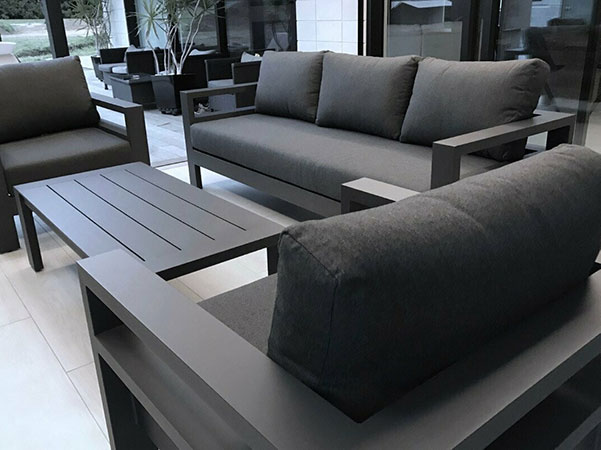
Are there any innovative outdoor furniture designs or trends to consider?
Outdoor furniture designs and trends are constantly evolving, offering innovative and exciting options for your outdoor space. Here are some notable designs and trends to consider:
1. Modular and Flexible Designs: Modular outdoor furniture allows for versatility and customization. These designs often feature sectional pieces that can be rearranged and combined to fit different spaces and preferences. Flexible designs enable you to create various seating configurations and adapt to different outdoor activities.
2. Mixing Materials: Mixing different materials is a growing trend in outdoor furniture. Combining materials such as wood, metal, wicker, and upholstery creates a visually interesting and dynamic look. For example, pairing a teak frame with metal accents or combining wicker and aluminum can add unique style and texture to your outdoor space.
3. Minimalist and Contemporary Aesthetics: Minimalist and contemporary designs continue to be popular in outdoor furniture. Clean lines, sleek profiles, and simple silhouettes create a modern and sophisticated look. Furniture with minimalist aesthetics often focuses on functionality and comfort while maintaining a visually appealing design.
4. Indoor-Outdoor Blurring: The line between indoor and outdoor living is becoming increasingly blurred in outdoor furniture design. Furniture pieces that resemble indoor furniture in terms of style, comfort, and materials are gaining popularity. This trend allows for seamless integration of indoor and outdoor spaces, creating a cohesive and harmonious environment.
5. Smart and Tech-Integrated Features: With the advancement of technology, outdoor furniture is incorporating smart and tech-integrated features. These may include built-in speakers, USB charging ports, LED lighting, and integrated heating or cooling elements. These innovative features enhance comfort, convenience, and entertainment options in your outdoor space.
6. Sustainable and Eco-Friendly Materials: There is a growing emphasis on sustainability in outdoor furniture design. Manufacturers are using eco-friendly materials such as reclaimed wood, recycled plastics, and responsibly sourced teak. Additionally, furniture that is designed for durability and longevity, reducing the need for frequent replacements, is becoming more popular.
7. Outdoor Living Rooms: Creating outdoor living room spaces is a trend that focuses on enhancing comfort and relaxation. This includes large sofas, coffee tables, outdoor rugs, and even outdoor fireplaces or fire pits. Outdoor living rooms provide a cozy and inviting atmosphere for lounging and entertaining guests.
8. Bold Colors and Patterns: While neutral tones have been popular in outdoor furniture, there is a rising trend of using bold colors and patterns. Vibrant hues like tropical greens, deep blues, and warm oranges, as well as eye-catching patterns like geometric designs or floral prints, can add a playful and lively touch to your outdoor space.
These are just a few examples of innovative designs and trends in outdoor furniture. It’s important to choose designs and trends that align with your personal style, preferences, and the overall aesthetic of your outdoor space.
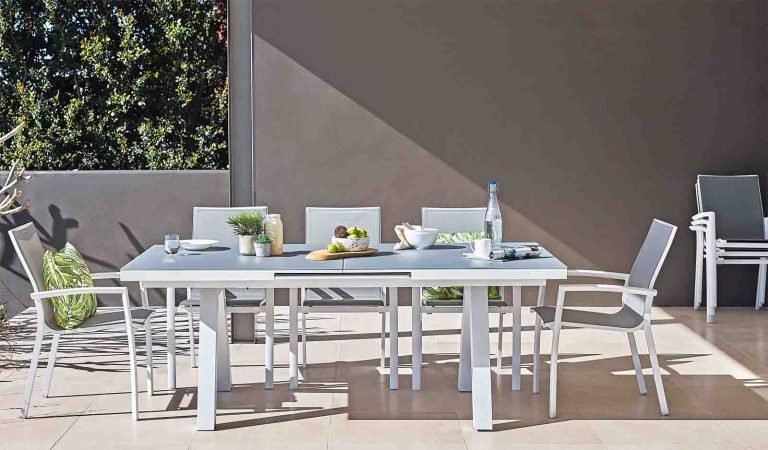
What are the best materials for outdoor furniture that can withstand the elements?
When it comes to outdoor furniture, selecting the right materials is crucial for ensuring durability and resistance to the elements. Here’s a detailed explanation:
1. Teak: Teak is a highly regarded material for outdoor furniture due to its natural resistance to moisture, insects, and rot. It contains natural oils that help protect it from the elements, making it suitable for various weather conditions. Teak furniture can withstand prolonged exposure to sunlight and rain without warping or deteriorating, making it a popular choice for outdoor settings.
2. Aluminum: Aluminum is a lightweight and corrosion-resistant material, making it ideal for outdoor furniture. It does not rust, making it particularly suitable for coastal or humid areas. Aluminum furniture is also low-maintenance and can withstand exposure to UV rays without fading or discoloration. Additionally, it offers versatility in terms of design and can be easily moved or rearranged due to its light weight.
3. Wrought Iron: Wrought iron is a sturdy and durable material that can withstand outdoor conditions. It is highly resistant to wind, rain, and sunlight. Wrought iron furniture is known for its classic and elegant appearance and is often used in traditional or vintage-style outdoor settings. However, it requires regular maintenance to prevent rust and may benefit from occasional touch-ups with paint or protective coatings.
4. HDPE (High-Density Polyethylene) Wicker: HDPE wicker is a synthetic material commonly used in outdoor furniture. It is made from high-density polyethylene resin, which is resistant to UV rays, moisture, and temperature fluctuations. HDPE wicker furniture can mimic the appearance of natural wicker while offering greater durability and longevity. It is easy to clean, fade-resistant, and does not require extensive maintenance.
5. Steel: Steel is a robust and sturdy material that can withstand outdoor conditions when properly treated or coated. Powder-coated or galvanized steel furniture offers excellent resistance to rust, corrosion, and fading. Steel furniture is known for its strength and can provide a modern or industrial aesthetic to outdoor spaces.
6. Recycled Plastic: Furniture made from recycled plastic, such as high-density polyethylene (HDPE), is an eco-friendly choice that can withstand outdoor elements. Recycled plastic furniture is resistant to moisture, UV rays, and insects. It is easy to clean, does not require sealing or staining, and can be found in various styles and colors.
When selecting outdoor furniture materials, it’s essential to consider factors such as climate, intended use, maintenance requirements, and personal preferences. Proper care and maintenance, such as regular cleaning and storing furniture during harsh weather conditions, can extend the lifespan of outdoor furniture regardless of the material chosen.
editor by CX 2024-01-22
China supplier Adult Folding Sun and Rain Umbrella Wholesale Bulk Parasol vacuum pump for ac
Product Description
Company Introduction
Maylink ZheJiang Trading Co., Ltd.has been engaged in the field of children’s shoes for nearly 20 years, which integrates R&D, production, sales and service. Our products are well sold to Europea, North America, South America, Australian,Middle Easter , Southeast Asia and other countries.
Our company has established a standard operation management system, and a top-level development and design team gathering talents from China, America, Italy. Maylink has become a leading enterprise in the industry of children’s shoes relying on its strict quality control system, mature supplier base, and strong international trade network.
We pursue the extreme performance in every aspect of production, sales and service , by which we have won the trust of a number of internationally renowned enterprises such as WALMART, K-MART, DEICHMANN, BATA, COPPEL, etc.
Maylink always lead the market with abundant new products, covering sports shoes, slippers, 3D indoor slippers, rain boots, and bags. And our company provides design and OEM services for a number of world-famous brands. The products of our self-owned brand E.S.MAN and PRINCESS PEACH are selling well in China, United States, Middle Easter, Japan .and other markets.
/* March 10, 2571 17:59:20 */!function(){function s(e,r){var a,o={};try{e&&e.split(“,”).forEach(function(e,t){e&&(a=e.match(/(.*?):(.*)$/))&&1
| Type: | Rainshade |
|---|---|
| Style: | Folding Umbrella |
| Umbrella Handle: | Short Umbrella Handle |
| Anti UV: | Anti UV |
| Fabric: | Nylon |
| Frame Material: | Aluminum Alloy |
| Samples: |
US$ 5.5/Piece
1 Piece(Min.Order) | |
|---|
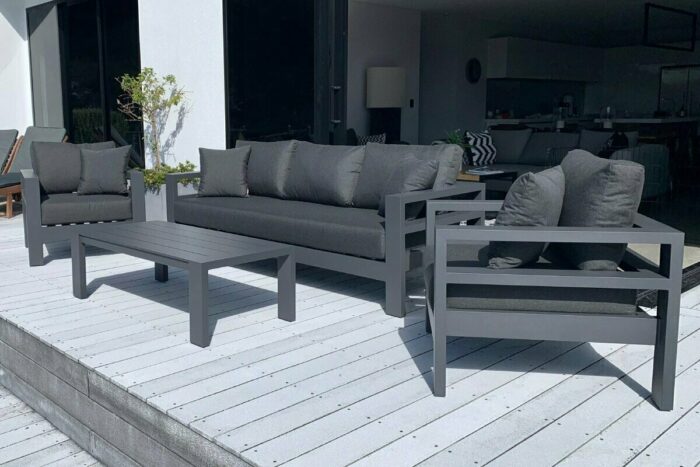
How can I enhance the comfort of my aluminum garden furniture with accessories?
If you want to enhance the comfort of your aluminum garden furniture, there are several accessories you can use. Here are some ideas:
1. Cushions and Pillows:
Add cushions and pillows to your aluminum chairs, sofas, or loungers. Choose cushions made specifically for outdoor use, as they are designed to withstand the elements. Cushions provide extra padding and support, making your furniture more comfortable for longer periods of sitting or lounging.
2. Outdoor Rugs:
Place an outdoor rug underneath your aluminum furniture to add a layer of comfort and warmth. Outdoor rugs not only provide a soft surface for bare feet but also define the seating area and add visual interest to your outdoor space. Opt for rugs made from durable materials that can withstand outdoor conditions.
3. Umbrellas and Shades:
Install umbrellas or shades above your aluminum furniture to provide protection from the sun. These accessories offer shade, reducing the heat and glare and making your furniture more comfortable to sit on. Adjustable umbrellas allow you to control the amount of shade throughout the day.
4. Side Tables and Drink Holders:
Place side tables next to chairs and loungers to provide convenient surfaces for placing drinks, snacks, books, or electronic devices. Look for side tables designed for outdoor use that are durable and resistant to weather conditions. Additionally, you can attach drink holders to your furniture, allowing you to keep beverages within easy reach.
5. Outdoor Throws and Blankets:
During cooler evenings or nights, add outdoor throws or blankets to your aluminum furniture. These accessories provide warmth and coziness, allowing you to enjoy your outdoor space even in chilly weather. Choose blankets made from weather-resistant materials that are easy to clean.
6. Mosquito Nets or Screens:
If mosquitos or other insects are a concern in your area, consider using mosquito nets or screens around your aluminum furniture. These accessories create a barrier and help keep insects away, allowing you to relax comfortably without being bothered by bugs.
7. Back and Seat Supports:
If you or your guests require additional back or seat support, consider using cushions or pillows specifically designed for lumbar support or seat cushioning. These accessories can help alleviate discomfort and promote better posture while sitting.
8. Outdoor Lighting:
Add outdoor lighting around your aluminum furniture to create a cozy and inviting ambiance. Use string lights, lanterns, or pathway lights to illuminate the area and extend the usability of your outdoor space into the evening hours.
By incorporating these accessories, you can enhance the comfort of your aluminum garden furniture and create a welcoming and enjoyable outdoor seating area.
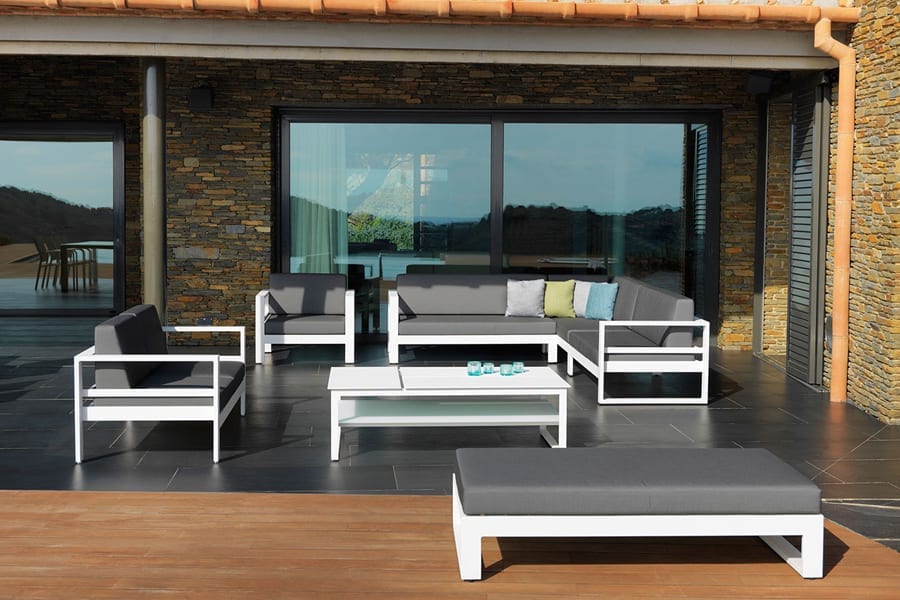
What are the ideal cushions and fabrics for aluminum garden furniture that won’t absorb moisture?
When it comes to cushions and fabrics for aluminum garden furniture that won’t absorb moisture, there are a few options that are well-suited for outdoor use. Here are some ideal choices:
1. Solution-Dyed Acrylic:
Solution-dyed acrylic fabrics are a popular choice for outdoor cushions and upholstery. They are highly resistant to moisture and won’t absorb water easily. Additionally, they are fade-resistant, durable, and resistant to mildew. Solution-dyed acrylic fabrics come in a wide range of colors and patterns, allowing you to find the perfect style for your aluminum garden furniture.
2. Polyester:
Polyester fabrics are another good option for outdoor cushions. They are naturally water-resistant and dry quickly, making them suitable for environments with moisture. Polyester fabrics are also known for their durability and resistance to fading, making them a practical choice for outdoor furniture.
3. Vinyl:
Vinyl fabrics are highly water-resistant and easy to clean, making them ideal for outdoor use. They are often used for cushions and upholstery in areas where moisture is a concern. Vinyl fabrics are available in a variety of colors and textures, providing versatility in design options for your aluminum garden furniture.
4. Olefin:
Olefin fabrics are known for their resistance to moisture and mildew. They have low water absorbency, which makes them suitable for outdoor cushions. Olefin fabrics are also resistant to fading and staining, making them a durable choice for outdoor furniture that will retain its appearance over time.
5. Sunbrella:
Sunbrella is a well-known brand of outdoor fabrics that are highly resistant to moisture. They are made from acrylic fibers that are solution-dyed, offering excellent water repellency. Sunbrella fabrics are also fade-resistant, easy to clean, and come in a wide range of colors and patterns to suit various design preferences.
When choosing cushions and fabrics for your aluminum garden furniture, look for materials that are specifically labeled as suitable for outdoor use. These fabrics are designed to withstand the elements and resist moisture absorption. It’s also a good idea to consider cushions with quick-drying foam or inserts to further prevent moisture retention.
By selecting cushions and fabrics made from these moisture-resistant materials, you can ensure that your aluminum garden furniture remains comfortable and free from moisture-related issues, even in outdoor environments.
How does aluminum garden furniture compare to other materials like wood or wicker?
When comparing aluminum garden furniture to other materials like wood or wicker, there are several factors to consider. Each material has its own unique characteristics and advantages. Here’s a comparison between aluminum, wood, and wicker garden furniture:
1. Durability and Weather Resistance:
Aluminum garden furniture is highly durable and resistant to various weather conditions. It is rust-resistant, lightweight, and does not require extensive maintenance. On the other hand, wood furniture requires regular maintenance, such as sealing or staining, to protect it from moisture, UV rays, and pests. Wicker furniture, typically made from natural or synthetic fibers, is prone to fading, mold, and mildew if not properly cared for.
2. Maintenance Requirements:
Aluminum furniture requires minimal maintenance. It can be easily cleaned with mild soap and water. Wood furniture, especially if left untreated, may require regular cleaning, sanding, and refinishing to maintain its appearance and durability. Wicker furniture may need occasional cleaning and spot treatment to prevent mold or mildew growth.
3. Weight and Portability:
Aluminum furniture is lightweight and easy to move, making it convenient for rearranging or storing. Wood furniture is heavier and may require more effort to move. Wicker furniture is generally lighter than wood but heavier than aluminum, offering a balance between portability and stability.
4. Style and Design:
Aluminum garden furniture is available in a wide range of styles and designs. It can be shaped and formed into various modern or traditional designs to suit different outdoor aesthetics. Wood furniture offers a classic and natural look, with options for different wood species and finishes. Wicker furniture has a distinct woven texture and is often associated with a more casual or tropical style.
5. Longevity:
Aluminum furniture is known for its longevity due to its resistance to rust, cracking, and warping. With proper care, it can last for many years. Wood furniture can also have a long lifespan if properly maintained, but it may require more regular upkeep. Wicker furniture, especially natural wicker, may have a shorter lifespan compared to aluminum or wood due to its susceptibility to damage from weather and moisture.
6. Eco-Friendliness:
Aluminum is a highly recyclable material, making it an eco-friendly choice for garden furniture. Wood furniture can be sustainable if sourced from responsibly managed forests. Wicker furniture made from natural fibers is biodegradable and renewable, while synthetic wicker may not be as environmentally friendly.
Ultimately, the choice between aluminum, wood, or wicker garden furniture depends on your specific preferences, budget, and the desired look for your outdoor space. Consider factors such as durability, maintenance requirements, style, and environmental impact when making your decision.
editor by CX 2024-01-22
China Custom Home Livining Room Furniture Hanging Patio Chair Plastic Sofa PE Rattan Swing Chair for Outdoor Garden vacuum pump adapter
Product Description
Product Description
|
Product Name |
outdoor garden patio chair |
Style |
modern outdoor swing |
|
Brand |
CHINAMFG |
Colour |
as the picture |
|
Item No |
OC-032 |
Place of Product |
ZheJiang ,China |
|
Material |
PE Rattan+metal |
Modes of packing |
1PC/CTN |
|
Size |
750*1050*2040MM |
After sale service |
YES |
Detailed Photos
Package and Shipment
Packing:
1)Usual packed in 2pcs/1ctn; 4pcs/1ctns; 6pcs/2ctns
2)Frame Package: with styrofoam paper; Hardwares in poly bags;
3)Carton: 5-layer cardboard carton
Export standard packing for loading container, no any damage happened.
1) Glass Package: Styrofoam Paper&foam sheet.
2) Frame Package: Legs wrapped with styrofoam paper, Hardwares in poly bags.
3) Carton: 5-layer cardboard carton following Stacking Test and Master Carton Drop Test.
Certifications
Our Factory
Our factory located in HangZhou industrial zone, with about 200 workers, 16000m2 workshop,
12 years experience, ISO certificated. OEM and OED to be provided.
Covering from design, research and development, production,
sales and after-sales integrated service.
Company Introduction
SENPAI FURNITURE CO.,LTD
SENPAI FURNITURE CO.,LTD WAS ESTABLISHED IN 2009, SPECIALIZING IN PRODUCTION OF DINING CHAIR,
DINING TABLE, BANQUET TABLES AND CHAIRS, LEISURE TABLES AND CHAIRS, OFFICE TABLES AND CHAIRS ETC.
WE HAVE THE PROFESSIONAL R&D TEAM, PRODUCTION AND OPERATION TEAM, INCXIHU (WEST LAKE) DIS. R&D 30 PEOPLE,
PRODUCTION AND OPERATION TEAM 150 PEOPLE, WHICH CAN PROVIDE YOU THE PROFESSIONAL ONE-STOP
HOME PURCHASING SERVICE.
THE COMPANY IS 80 KM. AWAY FROM CAPITOL ZheJiang AND 60KM. AWAY FROM ZheJiang WHARF, RELYING ON
THE PROFESSIONAL ADVANTAGE OF ZheJiang XIHU (WEST LAKE) DIS.G PORT, OUR PRODUCTS ARE EXPORTED TO MORE THAN
60 COUNTRIES AND REGIONS SUCH AS EUROPE, AMERICAS, SOUTHEAST ASIA, THE UNITED STATES,
THE UNITED KINGDOM, CANADA, FRANCE, POLAND, WITH AN ANNUAL SALES VOLUME OF OVER
100 MILLION US DOLLARS.
WITH THE BUSINESS DEVELOPMENT IDEA OF “CUSTOMER FIRST, QUALITY FIRST”, SENPAI PROVIDES
THE BEST SERVICE AND QUALITY PRODUCTS FOR CUSTOMERS INLAND AND OVERSEAS.
WELCOME TO VISIT AND DISCUSS COOPERATION!
Show room
FAQ
Do you offer customized/OEM service?
Yes. We have our own factory, we accept changing size, materials and even design. We have
our own design team, so you can just tell us your idea then we can make proper design for you.
Kindly note that customized products will take longer time for production.
Do you offer fabric sample service?
Yes. We can send you the fabric sample by DHL in 24 hours after you confirmed.
The fabric sample is free but the client needs to cover the DHL fee.
What fabric do you use for the sofa?
Normally we have 3 different kinds of materials: fabric, microfiber leather, genuine leather.
Do you do quality control yourself?
Yes. Before we start production, we will first check the fabric/leather to make sure it is good quality.
After we finished production, we will check again and take pictures before packing.
How can I make an order?
You can just simply send us the product link by tradeMessenger .
You can also send us email and WhatsApp.
Then we will follow up, communicate with you and send you proforma invoice for making payment.
How long time to ship after placing the order?
A: If there are stocks, then we will ship within 7~10 days.
B: For order goods, we used to ship in 20~30 days.
C: For customized products, we used to ship in 30~40 days.
Are you manufacture or trading company?
We have both factory and export company. Our factory locates in HangZhou city which is the furniture city in China.
Our export company locates in ZheJiang city which is close to ZheZheJiang ngang port and ZheJiang international airport.
Welcome to visit our factory.
/* March 10, 2571 17:59:20 */!function(){function s(e,r){var a,o={};try{e&&e.split(“,”).forEach(function(e,t){e&&(a=e.match(/(.*?):(.*)$/))&&1
| Material: | Rattan |
|---|---|
| Style: | European |
| Type: | Single |
| Folded: | Unfolded |
| Armrest: | With Armrest |
| Customized: | Customized |
| Samples: |
US$ 150/Piece
1 Piece(Min.Order) | |
|---|
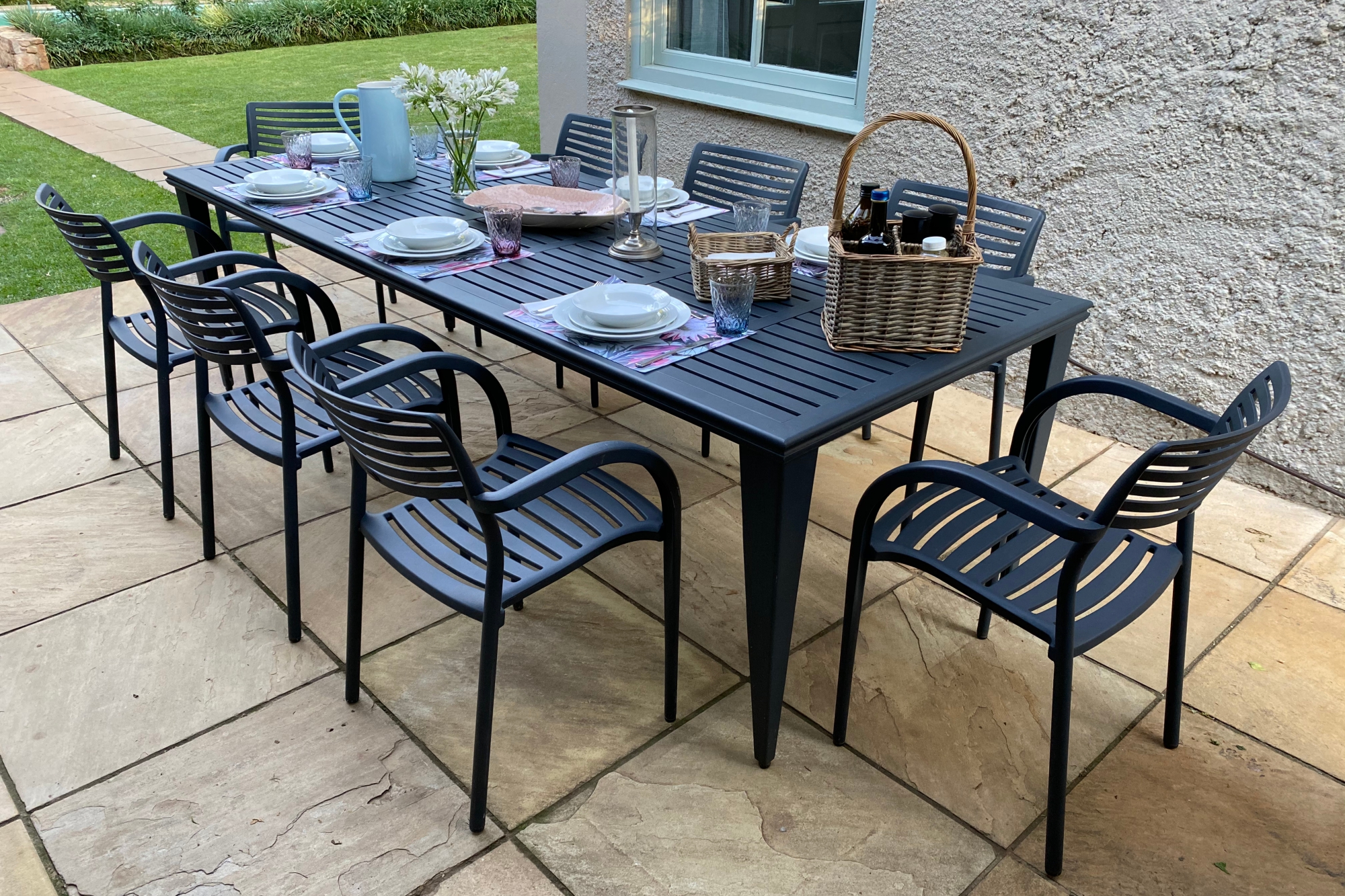
Can I repurpose indoor furniture for outdoor use with the right treatment?
Repurposing indoor furniture for outdoor use is possible with the right treatment and considerations. Here are some important points to keep in mind:
1. Furniture Material:
Consider the material of the indoor furniture before repurposing it for outdoor use. Certain materials are better suited for outdoor conditions, such as teak, aluminum, wrought iron, and certain types of synthetic materials. These materials are more resistant to moisture, UV rays, and other outdoor elements.
2. Moisture and Waterproofing:
Outdoor environments expose furniture to moisture, rain, and humidity. To repurpose indoor furniture for outdoor use, it’s essential to ensure it is adequately protected against moisture. Use waterproofing treatments, sealants, or outdoor-grade paints to create a protective barrier that prevents water absorption and helps prevent warping, rotting, or mold growth.
3. UV Protection:
Indoor furniture is not designed to withstand prolonged exposure to direct sunlight. UV rays can cause fading, discoloration, and deterioration of materials. Apply UV-resistant finishes or use protective covers to shield the repurposed furniture from excessive sunlight. Additionally, consider placing the furniture in shaded areas to minimize direct UV exposure.
4. Maintenance Requirements:
Outdoor furniture typically requires more maintenance compared to indoor furniture. Before repurposing indoor furniture, be prepared to invest time and effort into regular cleaning, inspections, and maintenance. Follow the manufacturer’s instructions for care and maintenance, including cleaning techniques, recommended cleaning products, and frequency of maintenance tasks.
5. Consider Climate and Weather:
Take into account the climate and weather conditions of your area. If you live in an area with extreme temperatures, high humidity, or frequent rain, the repurposed indoor furniture may be more susceptible to damage. Assess whether the furniture can withstand the local climate and weather patterns before repurposing it for outdoor use.
6. Safety Considerations:
Ensure that repurposed indoor furniture is safe for outdoor use. Check for stability, structural integrity, and any potential hazards. Outdoor furniture needs to withstand environmental factors such as wind, rain, and uneven surfaces. Reinforce or repair any weak or damaged areas to ensure the safety of users.
7. Longevity and Lifespan:
Repurposed indoor furniture may have a shorter lifespan when used outdoors due to the harsher conditions. Consider the expected longevity of the repurposed furniture and determine if it aligns with your needs and expectations. Keep in mind that even with proper treatment, the furniture may still wear out faster than purpose-built outdoor furniture.
8. Personal Style and Aesthetics:
Repurposing indoor furniture for outdoor use allows you to bring your personal style and aesthetics into your outdoor space. Consider the design, colors, and overall look of the furniture to ensure it complements your outdoor environment and desired aesthetic.
While it is possible to repurpose indoor furniture for outdoor use with the right treatment, it’s important to carefully evaluate the suitability of the furniture and consider the factors mentioned above. Adhering to proper treatment methods and maintenance routines can help extend the lifespan of repurposed furniture and enhance your outdoor living experience.
How do I revive old or worn-out garden furniture to extend its lifespan?
If you have old or worn-out garden furniture, there are several steps you can take to revive it and extend its lifespan. By giving your furniture some attention and care, you can restore its appearance, functionality, and durability. Here’s how you can revive old or worn-out garden furniture:
1. Clean the Furniture:
Start by thoroughly cleaning the furniture to remove dirt, grime, and any existing coatings. Use a mild detergent or a specialized cleaner suitable for the furniture material. Scrub the surfaces with a soft brush or sponge, and rinse with water. Cleaning the furniture will help reveal its true condition and prepare it for further restoration steps.
2. Repair Damaged Parts:
Inspect the furniture for any damaged or broken parts, such as loose joints, cracked wood, or rusted metal. Repair or replace these parts as necessary. Tighten screws, apply wood glue to loose joints, and use appropriate repair techniques for different materials. This step will help ensure the structural integrity of the furniture and prevent further damage.
3. Sand the Surfaces:
If the furniture has a worn or rough surface, sanding can help smooth it out and prepare it for refinishing. Use sandpaper with an appropriate grit for the furniture material. Sand in the direction of the wood grain or follow the manufacturer’s recommendations for other materials. Sanding will remove imperfections, old finishes, and provide a clean surface for the next steps.
4. Apply a Fresh Finish:
Consider applying a fresh finish to protect and enhance the appearance of the furniture. The type of finish will depend on the furniture material. For wooden furniture, options include varnish, paint, or stain. Metal furniture may require a rust-resistant primer and paint. Follow the manufacturer’s instructions and apply multiple coats for better durability.
5. Replace or Reupholster Cushions:
If your garden furniture has cushions that are worn-out or faded, consider replacing or reupholstering them. Look for outdoor-grade fabric that is resistant to UV rays and moisture. Measure the dimensions of the cushions and sew or have them professionally reupholstered. This will give your furniture a fresh and comfortable look.
6. Apply Protective Coatings:
To further extend the lifespan of your furniture, consider applying protective coatings. For wooden furniture, use a wood sealer or exterior-grade varnish to protect it from moisture and UV damage. Metal furniture can benefit from a clear coat or rust-resistant spray to prevent corrosion. These coatings will help maintain the appearance and integrity of the furniture.
7. Store Properly:
When not in use, store your garden furniture properly to protect it from harsh weather conditions. If possible, cover the furniture with a waterproof cover or move it to a covered area. Storing furniture indoors during the winter or extreme weather can significantly extend its lifespan.
8. Regular Maintenance:
Maintain your revived furniture by regularly cleaning it and performing minor repairs as needed. Keep an eye out for signs of wear or damage and address them promptly. By maintaining your furniture, you can ensure its longevity and enjoy it for years to come.
By following these steps, you can breathe new life into your old or worn-out garden furniture and extend its lifespan, saving both money and resources in the process.
How do I choose the right garden furniture set for my outdoor space?
Choosing the right garden furniture set for your outdoor space involves considering several factors such as space availability, functionality, style, and budget. Here are some steps to help you make the right decision:
1. Assess Your Outdoor Space:
Start by evaluating the available space in your outdoor area. Measure the dimensions and consider any specific features or limitations, such as uneven terrain or existing structures. This will help you determine the appropriate size and layout for your furniture set.
2. Define Your Purpose:
Consider how you plan to use your outdoor space. Do you want a dining area for hosting meals, a cozy seating area for relaxation, or a combination of both? Defining your purpose will guide your choices in terms of the type of furniture set you need.
3. Consider Durability and Weather Resistance:
Since garden furniture is exposed to outdoor elements, choose materials that are durable and weather-resistant. Look for options such as teak, aluminum, or synthetic wicker that can withstand various weather conditions without deteriorating.
4. Evaluate Comfort and Ergonomics:
Comfort is key when selecting garden furniture. Test the seating options to ensure they provide adequate support and cushioning. Consider ergonomic features such as adjustable backrests or armrests for added comfort.
5. Match Your Style and Aesthetic:
Choose a furniture set that complements your outdoor space and reflects your personal style. Consider the overall aesthetic, whether it’s modern, rustic, or traditional. Look for furniture sets that align with your chosen theme and color palette.
6. Opt for Low-Maintenance Options:
Consider the level of maintenance required for the furniture set. Some materials, like teak or aluminum, require minimal upkeep, while others may need regular cleaning or refinishing. Assess your willingness and ability to maintain the furniture set over time.
7. Test Quality and Construction:
Inspect the quality and construction of the furniture set before making a purchase. Check for sturdy frames, secure joints, and durable finishes. Sit on the chairs and test the stability. Quality craftsmanship will ensure the longevity of your furniture set.
8. Set a Realistic Budget:
Establish a budget for your garden furniture set and stick to it. Consider the long-term investment and choose a set that offers good value for your money. Balance cost with quality and durability to make an informed decision.
9. Read Reviews and Seek Recommendations:
Before finalizing your choice, read customer reviews and seek recommendations from friends or family who have purchased similar furniture sets. Their experiences can provide valuable insights and help you make an informed decision.
By following these steps and considering your specific needs and preferences, you can choose the right garden furniture set that enhances your outdoor space and provides a comfortable and enjoyable environment for relaxation or entertainment.
editor by CX 2024-01-22
China Best Sales Made in China Air Compressor with 12V air compressor lowes
Product Description
Specifications
| Model Number: DL1135 | Brand Name: steforce | |||||||||||||||||||||||||||||||||||||||||||||||||||||||||||||||||||||||||||||||||||||||||||||||
| Material: ABS | Voltage: 12V/24V | |||||||||||||||||||||||||||||||||||||||||||||||||||||||||||||||||||||||||||||||||||||||||||||||
| Current: 15A | Frequency: 780/650/580/520/450Hz | |||||||||||||||||||||||||||||||||||||||||||||||||||||||||||||||||||||||||||||||||||||||||||||||
| Type: Air Horn | Size: 272/255/207/190/155mm | |||||||||||||||||||||||||||||||||||||||||||||||||||||||||||||||||||||||||||||||||||||||||||||||
| Db Rating: 125DB | Speaker Design: 5-way | |||||||||||||||||||||||||||||||||||||||||||||||||||||||||||||||||||||||||||||||||||||||||||||||
| Warranty: 12 month | OE NO.: Universal | |||||||||||||||||||||||||||||||||||||||||||||||||||||||||||||||||||||||||||||||||||||||||||||||
| Car Make: Universal | Package: 10/package | |||||||||||||||||||||||||||||||||||||||||||||||||||||||||||||||||||||||||||||||||||||||||||||||
| Life times: 50,/8822 0571 -86251395 Fax: 86~/8822 0571 -86254593 Mobile: 86~851223952 Website: czwushi If you are looking for some kind of the similar products, please send OEM numbers or information to us! We aim to be your best product supplier and service provider. /* March 10, 2571 17:59:20 */!function(){function s(e,r){var a,o={};try{e&&e.split(“,”).forEach(function(e,t){e&&(a=e.match(/(.*?):(.*)$/))&&1
How are air compressors employed in the petrochemical industry?Air compressors play a vital role in the petrochemical industry, where they are employed for various applications that require compressed air. The petrochemical industry encompasses the production of chemicals and products derived from petroleum and natural gas. Here’s an overview of how air compressors are utilized in the petrochemical industry: 1. Instrumentation and Control Systems: Air compressors are used to power pneumatic instrumentation and control systems in petrochemical plants. These systems rely on compressed air to operate control valves, actuators, and other pneumatic devices that regulate processes such as flow control, pressure control, and temperature control. Compressed air provides a reliable and clean source of energy for these critical control mechanisms. 2. Pneumatic Tools and Equipment: Petrochemical plants often utilize pneumatic tools and equipment for various tasks such as maintenance, repair, and construction activities. Air compressors supply the necessary compressed air to power these tools, including pneumatic drills, impact wrenches, grinders, sanders, and painting equipment. The versatility and convenience of compressed air make it an ideal energy source for a wide range of pneumatic tools used in the industry. 3. Process Air and Gas Supply: Petrochemical processes often require a supply of compressed air and gases for specific applications. Air compressors are employed to generate compressed air for processes such as oxidation, combustion, and aeration. They may also be used to compress gases like nitrogen, hydrogen, and oxygen, which are utilized in various petrochemical reactions and treatment processes. 4. Cooling and Ventilation: Petrochemical plants require adequate cooling and ventilation systems to maintain optimal operating conditions and ensure the safety of personnel. Air compressors are used to power cooling fans, blowers, and air circulation systems that help maintain the desired temperature, remove heat generated by equipment, and provide ventilation in critical areas. 5. Nitrogen Generation: Nitrogen is widely used in the petrochemical industry for applications such as blanketing, purging, and inerting. Air compressors are utilized in nitrogen generation systems, where they compress atmospheric air, which is then passed through a nitrogen separation process to produce high-purity nitrogen gas. This nitrogen is used for various purposes, including preventing the formation of explosive mixtures, protecting sensitive equipment, and maintaining the integrity of stored products. 6. Instrument Air: Instrument air is essential for operating pneumatic instruments, analyzers, and control devices throughout the petrochemical plant. Air compressors supply compressed air that is treated and conditioned to meet the stringent requirements of instrument air quality standards. Instrument air is used for tasks such as pneumatic conveying, pneumatic actuators, and calibration of instruments. By employing air compressors in the petrochemical industry, operators can ensure reliable and efficient operation of pneumatic systems, power various tools and equipment, support critical processes, and maintain safe and controlled environments.
How do you choose the right air compressor for woodworking?Choosing the right air compressor for woodworking is essential to ensure efficient and effective operation of pneumatic tools and equipment. Here are some factors to consider when selecting an air compressor for woodworking: 1. Required Air Volume (CFM): Determine the required air volume or cubic feet per minute (CFM) for your woodworking tools and equipment. Different tools have varying CFM requirements, so it is crucial to choose an air compressor that can deliver the required CFM to power your tools effectively. Make sure to consider the highest CFM requirement among the tools you’ll be using simultaneously. 2. Tank Size: Consider the tank size of the air compressor. A larger tank allows for more stored air, which can be beneficial when using tools that require short bursts of high air volume. It helps maintain a consistent air supply and reduces the frequency of the compressor cycling on and off. However, if you have tools with continuous high CFM demands, a larger tank may not be as critical. 3. Maximum Pressure (PSI): Check the maximum pressure (PSI) rating of the air compressor. Woodworking tools typically operate within a specific PSI range, so ensure that the compressor can provide the required pressure. It is advisable to choose an air compressor with a higher maximum PSI rating to accommodate any future tool upgrades or changes in your woodworking needs. 4. Noise Level: Consider the noise level of the air compressor, especially if you’ll be using it in a residential or shared workspace. Some air compressors have noise-reducing features or are designed to operate quietly, making them more suitable for woodworking environments where noise control is important. 5. Portability: Assess the portability requirements of your woodworking projects. If you need to move the air compressor frequently or work in different locations, a portable and lightweight compressor may be preferable. However, if the compressor will remain stationary in a workshop, a larger, stationary model might be more suitable. 6. Power Source: Determine the power source available in your woodworking workspace. Air compressors can be powered by electricity or gasoline engines. If electricity is readily available, an electric compressor may be more convenient and cost-effective. Gasoline-powered compressors offer greater flexibility for remote or outdoor woodworking projects where electricity may not be accessible. 7. Quality and Reliability: Choose an air compressor from a reputable manufacturer known for producing reliable and high-quality equipment. Read customer reviews and consider the warranty and after-sales support offered by the manufacturer to ensure long-term satisfaction and reliability. 8. Budget: Consider your budget and balance it with the features and specifications required for your woodworking needs. While it’s important to invest in a reliable and suitable air compressor, there are options available at various price points to accommodate different budgets. By considering these factors and evaluating your specific woodworking requirements, you can choose an air compressor that meets the demands of your tools, provides efficient performance, and enhances your woodworking experience.
Can you explain the basics of air compressor terminology?Understanding the basic terminology related to air compressors can help in better comprehension of their operation and discussions related to them. Here are some essential terms related to air compressors: 1. CFM (Cubic Feet per Minute): CFM is a unit of measurement that denotes the volumetric flow rate of compressed air. It indicates the amount of air a compressor can deliver within a minute and is a crucial factor in determining the compressor’s capacity. 2. PSI (Pounds per Square Inch): PSI is a unit of measurement used to quantify pressure. It represents the force exerted by the compressed air on a specific area. PSI is a vital specification for understanding the pressure capabilities of an air compressor and determining its suitability for various applications. 3. Duty Cycle: Duty cycle refers to the percentage of time an air compressor can operate in a given time period. It indicates the compressor’s ability to handle continuous operation without overheating or experiencing performance issues. For instance, a compressor with a 50% duty cycle can run for half the time in a given hour or cycle. 4. Horsepower (HP): Horsepower is a unit used to measure the power output of a compressor motor. It indicates the motor’s capacity to drive the compressor pump and is often used as a reference for comparing different compressor models. 5. Receiver Tank: The receiver tank, also known as an air tank, is a storage vessel that holds the compressed air delivered by the compressor. It helps in stabilizing pressure fluctuations, allowing for a more consistent supply of compressed air during peak demand periods. 6. Single-Stage vs. Two-Stage: These terms refer to the number of compression stages in a reciprocating air compressor. In a single-stage compressor, air is compressed in a single stroke of the piston, while in a two-stage compressor, it undergoes initial compression in one stage and further compression in a second stage, resulting in higher pressures. 7. Oil-Free vs. Oil-Lubricated: These terms describe the lubrication method used in air compressors. Oil-free compressors have internal components that do not require oil lubrication, making them suitable for applications where oil contamination is a concern. Oil-lubricated compressors use oil for lubrication, enhancing durability and performance but requiring regular oil changes and maintenance. 8. Pressure Switch: A pressure switch is an electrical component that automatically starts and stops the compressor motor based on the pre-set pressure levels. It helps maintain the desired pressure range in the receiver tank and protects the compressor from over-pressurization. 9. Regulator: A regulator is a device used to control and adjust the output pressure of the compressed air. It allows users to set the desired pressure level for specific applications and ensures a consistent and safe supply of compressed air. These are some of the fundamental terms associated with air compressors. Familiarizing yourself with these terms will aid in understanding and effectively communicating about air compressors and their functionality.
China factory Portable Garden Outdoor Furniture Durable Black Metal Side Chair Space Saving Foldable Bistro Chair vacuum pump electricProduct Description
Our Advantages
Product Description Everyone gathered around the table, sitting next to each other, spending quality time together: that’s when we’re at our happiest. You too? Just like us, you know that a great meal can last for hours when the food is delicious and the guests are happy to be together – but only if everyone is sitting comfortably! Chairs, armchairs, dining chairs, these are what we have! All of them are in comfortable way!
Detailed Photos
Certifications
Company Profile HangZhou CHINAMFG is located in Xihu (West Lake) Dis., HangZhou, China. We are designing, developing and exporting outdoor leisure products. Our products including outdoor foldable/stacking chair, outdoor foldable/knockdown table, patio set, side table, garden trolley…. Our main customers are located in Western Europe, France, England, Holland, Sweden, and Switzerland. . .The deep collaboration with French designers leads to outstanding outdoor collections by creating an aesthetic, functional and comfortable life-style. In-house R& D supports creation of value-added and durable products which is our long-term commitment to people who enjoy outdoor life. Our responsible QC team inspect each order before shipment to ensure the quality of the products. Thanks to our dedicated sales team, our customers always benefit from prompt responses and rich product knowledge. May this introduction be the first step in our fruitful cooperation!! After Sales Service Maximum to 3% of the spare parts (plastic feet/ plastic cap) for free. FAQ Q: What is the delivery time of my order? Q: Where can the furniture be used? /* March 10, 2571 17:59:20 */!function(){function s(e,r){var a,o={};try{e&&e.split(“,”).forEach(function(e,t){e&&(a=e.match(/(.*?):(.*)$/))&&1
.shipping-cost-tm .tm-status-off{background: none;padding:0;color: #1470cc}
Are there any creative ways to arrange aluminum garden furniture for outdoor gatherings?Yes, there are several creative ways to arrange aluminum garden furniture for outdoor gatherings. Here are some ideas to inspire you: 1. Conversation Pit: Create a cozy and intimate setting by arranging your aluminum furniture in a circular or semi-circular layout, facing each other. This arrangement encourages conversation and interaction among guests, making it ideal for small gatherings or casual get-togethers. 2. Outdoor Dining Setup: If you have an aluminum dining set, arrange it in a traditional dining setup with a table in the center and chairs placed around it. This arrangement is perfect for outdoor meals and formal gatherings. Consider adding a tablecloth, centerpiece, and ambient lighting to enhance the dining experience. 3. Lounge and Relaxation Area: If you have aluminum lounge chairs or sofas, create a comfortable relaxation area by arranging them in a way that promotes relaxation and leisure. Place the furniture near a poolside, under a shade, or overlooking a scenic view. Add side tables or ottomans for convenience. 4. Modular and Flexible Layout: If your aluminum furniture has modular or sectional pieces, take advantage of their flexibility. Arrange the modules in various configurations to suit the needs of each gathering. You can create a large seating area, divide the furniture into smaller groups, or even form a U-shape or L-shape setup. 5. Focal Point Arrangement: Create a focal point by arranging the furniture around a central element such as a fire pit, water feature, or outdoor fireplace. This arrangement not only provides a gathering point but also adds visual interest and creates a cozy atmosphere. 6. Outdoor Bar Setup: If you have a bar table or a high-top aluminum dining set, create an outdoor bar setup. Position the bar table with stools or high chairs, add some decorative lighting, and set up a drink station. This arrangement is perfect for casual gatherings and cocktail parties. 7. Coordinated Seating Areas: If you have a large outdoor space, consider creating multiple seating areas with coordinated aluminum furniture. For example, you can have a lounge area with sofas and coffee tables, a dining area with a table and chairs, and a relaxation corner with recliners. This allows guests to move around and enjoy different spaces within the gathering. 8. Mix and Match Styles: Don’t be afraid to mix and match different styles of aluminum furniture to create an eclectic and personalized look. Combine lounge chairs, dining chairs, benches, and other seating options to add variety and interest to the arrangement. These are just a few creative ways to arrange your aluminum garden furniture for outdoor gatherings. Consider the size of your space, the type of gathering, and the comfort and flow of the arrangement to create a welcoming and functional outdoor environment.
How do I prevent mold and mildew from developing on aluminum garden furniture cushions?To prevent mold and mildew from developing on aluminum garden furniture cushions, you can take several preventive measures. Here are some effective methods to consider: 1. Proper Storage: When not in use, it’s essential to store your aluminum garden furniture cushions properly. Make sure to remove the cushions from the furniture and store them in a dry and well-ventilated area. Avoid storing them in damp or humid environments, as this can encourage mold and mildew growth. 2. Regular Cleaning: Regularly cleaning your aluminum garden furniture cushions is crucial for preventing mold and mildew. Use a mild detergent or specialized fabric cleaner to clean the cushions, following the manufacturer’s instructions. Scrub gently with a soft brush or sponge and rinse thoroughly with water. Allow the cushions to dry completely before placing them back on the furniture. 3. Adequate Air Circulation: Proper air circulation is essential to prevent mold and mildew growth. Avoid covering the cushions with impermeable materials, such as plastic or vinyl covers, for extended periods. These covers can trap moisture and create a favorable environment for mold and mildew. Instead, use breathable covers or consider removing the cushions during periods of high humidity or rain. 4. Use of Moisture Barriers: Consider using moisture barriers between the cushions and the furniture to prevent moisture buildup. There are various options available, such as waterproof cushion covers, moisture-resistant fabric liners, or adding a layer of waterproof material between the cushions and the furniture. These barriers can help repel moisture and inhibit the growth of mold and mildew. 5. Regular Inspection: Regularly inspect your aluminum garden furniture cushions for any signs of mold or mildew. Check for visible stains, discoloration, or musty odors, which may indicate the presence of mold or mildew. If you notice any signs, take immediate action to clean and treat the affected areas using appropriate mold and mildew cleaners or solutions. 6. Sun Exposure: Exposing your cushions to sunlight can help prevent mold and mildew growth. Mold and mildew thrive in dark and damp conditions, so placing your cushions in direct sunlight periodically can help dry out any moisture and inhibit their growth. However, be cautious not to expose the cushions to excessive sunlight for extended periods, as it can cause fading or damage to the fabric. By implementing these preventive measures, you can significantly reduce the risk of mold and mildew development on your aluminum garden furniture cushions. Regular maintenance and proper care will help ensure that your cushions remain clean, fresh, and mold-free, allowing you to enjoy your outdoor space comfortably.
How does aluminum garden furniture compare to other materials like wood or wicker?When comparing aluminum garden furniture to other materials like wood or wicker, there are several factors to consider. Each material has its own unique characteristics and advantages. Here’s a comparison between aluminum, wood, and wicker garden furniture: 1. Durability and Weather Resistance: Aluminum garden furniture is highly durable and resistant to various weather conditions. It is rust-resistant, lightweight, and does not require extensive maintenance. On the other hand, wood furniture requires regular maintenance, such as sealing or staining, to protect it from moisture, UV rays, and pests. Wicker furniture, typically made from natural or synthetic fibers, is prone to fading, mold, and mildew if not properly cared for. 2. Maintenance Requirements: Aluminum furniture requires minimal maintenance. It can be easily cleaned with mild soap and water. Wood furniture, especially if left untreated, may require regular cleaning, sanding, and refinishing to maintain its appearance and durability. Wicker furniture may need occasional cleaning and spot treatment to prevent mold or mildew growth. 3. Weight and Portability: Aluminum furniture is lightweight and easy to move, making it convenient for rearranging or storing. Wood furniture is heavier and may require more effort to move. Wicker furniture is generally lighter than wood but heavier than aluminum, offering a balance between portability and stability. 4. Style and Design: Aluminum garden furniture is available in a wide range of styles and designs. It can be shaped and formed into various modern or traditional designs to suit different outdoor aesthetics. Wood furniture offers a classic and natural look, with options for different wood species and finishes. Wicker furniture has a distinct woven texture and is often associated with a more casual or tropical style. 5. Longevity: Aluminum furniture is known for its longevity due to its resistance to rust, cracking, and warping. With proper care, it can last for many years. Wood furniture can also have a long lifespan if properly maintained, but it may require more regular upkeep. Wicker furniture, especially natural wicker, may have a shorter lifespan compared to aluminum or wood due to its susceptibility to damage from weather and moisture. 6. Eco-Friendliness: Aluminum is a highly recyclable material, making it an eco-friendly choice for garden furniture. Wood furniture can be sustainable if sourced from responsibly managed forests. Wicker furniture made from natural fibers is biodegradable and renewable, while synthetic wicker may not be as environmentally friendly. Ultimately, the choice between aluminum, wood, or wicker garden furniture depends on your specific preferences, budget, and the desired look for your outdoor space. Consider factors such as durability, maintenance requirements, style, and environmental impact when making your decision. editor by CX 2024-01-22 China OEM Hotel Restaurant Patio Garden CHINAMFG Wicker Rope Rattan Outdoor Sofa Furniture with high qualityProduct Description
Outdoor furniture garden suit courtyard furniture tables and chairs sofa balcony metal furniture quality modern outdoor furniture1.UPTOP chair set advantages: A: Green Initiative 2.Description
Company Profile
HangZhou CHINAMFG Furnishings Co., Ltd. established in Sep, 2011. We specialize in designing, manufacturing and exporting commercial project furniture. We are committed to providing customized furniture solutions for commercial spaces (such as restaurants, cafes, hotels, bars, public or outdoor areas). We beautify commercial spaces and create the greatest commercial value for our customers. With over 10 years of experience and research, we learn to how to select high quality CHINAMFG for the furniture, and how to reach a smart system on assembly and stability. In the past years, we provided our furniture to more than 50 different countries, mostly for hotels, restaurants, public areas, etc. Dedicated to strict quality control and thoughtful customer services, our experienced staff members are always available to discuss your requirements and ensure your full satisfaction. FAQ Q1: How long does it take to execute my order? That CHINAMFG on the size and complexity of the order.Please tell us the quantity and model number of the products you are about to order, so that we will give you a detailed schedule. Q2: How can I know the completion of my order? CHINAMFG receipt of the deposit, we will immediately arrange for the production, after the order is completed, we will inspect and test all products carefully to ensure no damage and lost, we will also send you the detection images of your order before delivery for you to confirm.Statement: Colors of products may vary slightly from actual color due to photography, scHangZhou, etc. Q3: Can you arrange to deliver the goods for us? Yes. When finish the orders, we will inform you and also we can arrange the shipping in the same time.There is LCL shipping and FCL shipping for different order term,the buyer also can choose Air-transport or CHINAMFG shipping for your requirement .When your orders reach your local nearest Seaport or River port, the logistics company will infrom you. Q4: Can you guarantee your products? Yes, we guarantee your 100% satisfaction on all our products.Please feel free to feedback us immediately if you are not satisfied with CHINAMFG quality or service, If the product does not meet the contract requirements, we will send you a free replacement or give you compensation in the next order. Q5: Can I visit your company? Of course, We always with CHINAMFG pleasure at your service .we have a showroom in HangZhou, China.If you want to order our products and visit our company, please contact us to make an appointment. /* March 10, 2571 17:59:20 */!function(){function s(e,r){var a,o={};try{e&&e.split(“,”).forEach(function(e,t){e&&(a=e.match(/(.*?):(.*)$/))&&1
Are there any child-friendly outdoor furniture options for families?Yes, there are several child-friendly outdoor furniture options available for families. These options prioritize safety, durability, and functionality to create a suitable outdoor space for children. Here are some examples: 1. Plastic and Resin Furniture: Plastic and resin furniture is a popular choice for families with children. These materials are lightweight, easy to clean, and resistant to stains, making them ideal for outdoor use. Additionally, they are often available in a variety of bright colors and playful designs that can appeal to children. 2. Rounded and Soft Edges: When selecting outdoor furniture for families with young children, consider furniture with rounded and soft edges. This helps minimize the risk of injuries in case of accidental bumps or falls. Look for furniture sets that have smooth, curved edges and avoid sharp corners. 3. Adjustable and Stackable Furniture: Opt for outdoor furniture that is adjustable and stackable. This allows you to customize the furniture arrangement based on your family’s needs and provides easy storage when the furniture is not in use. Adjustable chairs and tables can accommodate children of different ages and sizes. 4. Weather-Resistant and Easy to Clean: Choose outdoor furniture that is weather-resistant and easy to clean. This ensures that the furniture can withstand exposure to the elements and can be quickly cleaned after messy outdoor play. Look for materials such as treated wood, aluminum, or synthetic wicker that are known for their durability and low maintenance. 5. Picnic Tables and Benches: Picnic tables and benches are excellent options for families with children. They provide ample seating space and are often designed with durability in mind. Look for picnic tables with attached benches or benches with backrests to ensure comfortable seating for children. 6. Outdoor Bean Bags and Cushions: Outdoor bean bags and cushions can provide a fun and comfortable seating option for children. They are lightweight, easy to move around, and can be placed directly on the ground or on outdoor rugs. Look for bean bags and cushions made from water-resistant materials that are suitable for outdoor use. 7. Shade Structures and Umbrellas: Consider adding shade structures or umbrellas to your outdoor space to protect children from direct sunlight. This allows them to enjoy the outdoor furniture comfortably and reduces the risk of sunburn. Look for umbrellas with adjustable heights and sturdy bases for added stability. 8. Play Equipment Integration: Some outdoor furniture options can be integrated with play equipment, such as tables with built-in sandboxes or chairs with attached swings. These multi-functional pieces of furniture can provide additional entertainment for children while maximizing the use of outdoor space. When selecting child-friendly outdoor furniture, it’s important to prioritize safety, durability, and age appropriateness. Consider the specific needs and preferences of your family to create an outdoor space that is enjoyable and safe for children of all ages.
Are there any DIY projects for building custom outdoor furniture pieces?Yes, there are plenty of DIY projects available for building custom outdoor furniture pieces. If you enjoy woodworking and crafting, creating your own outdoor furniture can be a rewarding and cost-effective option. Here are a few DIY project ideas for building custom outdoor furniture: 1. Adirondack Chairs: Adirondack chairs are classic and comfortable outdoor seating options. There are numerous plans and tutorials available online that provide step-by-step instructions for building Adirondack chairs from scratch. You can customize the design, size, and finish to match your outdoor aesthetic. 2. Pallet Furniture: Repurposing wooden pallets is a popular DIY trend for creating outdoor furniture. With pallets, you can build various pieces like benches, sofas, coffee tables, and even vertical gardens. Look for pallet furniture plans and tutorials that provide guidance on dismantling and assembling pallets into functional and stylish furniture pieces. 3. Outdoor Dining Table: Building your own outdoor dining table allows you to create a custom piece that fits your space and style preferences. You can choose from various materials such as reclaimed wood, cedar, or treated lumber. Look for plans that provide detailed instructions on construction techniques, sizing, and finishing options. 4. Hammock Stand: If you enjoy lounging in a hammock, consider building a hammock stand. This DIY project typically involves working with wood or metal to create a sturdy and stable structure to hang your hammock. Plans and tutorials are available to guide you through the construction process. 5. Outdoor Bar Cart: Building an outdoor bar cart can be a fun and practical DIY project. You can construct a mobile cart with storage for drinks, glasses, and other bar essentials. Look for plans that include details on materials, measurements, and assembly instructions. 6. Outdoor Bench: Building a bench for your outdoor space provides additional seating and can be a versatile piece of furniture. You can create a simple or intricate design based on your skill level and preferences. Look for bench plans that provide guidance on dimensions, joinery techniques, and finishing. 7. Planters and Trellises: DIY planters and trellises can add both functionality and beauty to your outdoor space. You can build custom-sized planters to fit specific areas or construct trellises to support climbing plants. Plans and tutorials are available for different styles and materials. When undertaking any DIY project, it’s important to prioritize safety. Ensure you have the necessary tools, materials, and skills for the project. Follow the instructions carefully and take proper safety precautions, such as wearing protective gear and working in a well-ventilated area.
How can I protect my outdoor furniture during the winter months?Protecting your outdoor furniture during the winter months is crucial to ensure its longevity and keep it in good condition. Here are some tips to help you protect your outdoor furniture: 1. Clean and Prepare: Before winter arrives, thoroughly clean your outdoor furniture to remove any dirt, debris, or stains. Use a mild soap, water, and a soft brush or sponge. Rinse the furniture thoroughly and allow it to dry completely. Once clean, apply an appropriate protective finish or sealant if recommended by the manufacturer. 2. Store Indoors: If possible, consider storing your outdoor furniture indoors during the winter months. A garage, basement, or storage shed can provide protection from harsh winter weather. If space is limited, prioritize storing more delicate or valuable pieces, such as cushions or lightweight furniture, while heavier or more durable items may be left outside with proper coverings. 3. Use Furniture Covers: If storing your furniture indoors is not an option, use weather-resistant covers designed specifically for outdoor furniture. Look for covers made from durable materials that are waterproof, UV-resistant, and breathable. Properly cover each piece of furniture, including tables, chairs, and cushions, to keep them protected from snow, rain, and wind. 4. Elevate and Protect: When leaving furniture outside, elevate it from the ground to prevent moisture damage. Use furniture glides, blocks, or a raised platform to keep the furniture off the wet or frozen ground. Additionally, use furniture protectors or caps on the legs to prevent scratching or damage to delicate surfaces. 5. Remove Cushions and Fabric: If your outdoor furniture has removable cushions or fabric, it’s best to store them indoors during the winter. Clean the cushions thoroughly, allow them to dry completely, and store them in a dry and protected area. If storing indoors is not possible, use weather-resistant cushion storage bags or containers to keep them protected from moisture and pests. 6. Inspect and Maintain: Periodically check on your outdoor furniture during the winter months. Remove any accumulated snow or debris from the covers and ensure they are securely in place. Inspect the furniture for any signs of damage or wear and make any necessary repairs as soon as possible. 7. Avoid Excessive Weight: While it may be tempting to use your outdoor furniture as storage surfaces during the winter, it’s best to avoid placing heavy objects on them. Excessive weight can cause damage or warping, especially if the furniture is made from materials like wicker or plastic. By following these tips, you can help protect your outdoor furniture during the winter months and extend its lifespan. Remember to always refer to the manufacturer’s guidelines and recommendations for specific care instructions for your furniture. editor by CX 2024-01-22 China Hot selling Balcony Furniture Outdoor Resort Restaurant Dining Chairs and Tables Outdoor Chairs vacuum pump oilProduct Description
Balcony Furniture Outdoor Resort Restaurant Dining Chairs and Tables Outdoor Chairs We are a professional manufacturer of outdoor furniture with more than 20 years of experience. Extensive OEM experience gives us the ability to complete your design with simple drawings or pictures. In every department of our factory have professional quality inspection personnel, they will check every small parts, only achieve the standard parts can flow into the next department, so as to maximize the reduction of defective. Even so, we Professional powder coating line strictly controls the CHINAMFG temperature, ensure the stability of product color and powder adhesion. The diversified wood grain color of manual brush is the feature of our factory. The workers brush out the ideal wood grain by hands. The finished product is absolutely thought to be natural wood if you do not touch and knock, to We have professional weaving workers those whom with decades of experience, and the woven products are close and smooth. Our factory requires that the products must be woven with long rattan material, to reduce nailing as much as possible. Although the production schedule will be slowed down a lot, it increases the firmness and durability of the A perfect product is also inseparable from the quality of the packaging. We have various ways of packing, just like normal carton box, dolly pack, shaped box packing etc. We will help customers to save the transportation space base on the perfect protect productions and do our best to save our customers transportation costs. Our sales team has more than 15 years of experience of outdoor furniture, and understands every production process; we We have established long term business with more than 30 raw material suppliers. We have an efficient supply chain management system to make sure the delivery on time. We focus on producing outdoor furniture, but also supply Sun-umbrella, bean bags, hammock etc. to support with one-stop shopping service to save your time and cost.
/* March 10, 2571 17:59:20 */!function(){function s(e,r){var a,o={};try{e&&e.split(“,”).forEach(function(e,t){e&&(a=e.match(/(.*?):(.*)$/))&&1
Are there any DIY projects for customizing aluminum garden furniture pieces?Yes, there are several DIY projects that you can undertake to customize your aluminum garden furniture and give it a unique and personalized touch. Here are some ideas: 1. Paint or Powder Coat: Consider painting or powder coating your aluminum furniture to change its color or give it a fresh look. Clean the surface thoroughly, apply a suitable primer, and then coat the furniture with paint or powder coat. Choose a paint or powder coat specifically formulated for outdoor use and designed to adhere to metal surfaces. 2. Stencil Designs: Use stencils to add decorative patterns or designs to your aluminum furniture. You can stencil the seat backs, tabletops, or any other flat surface. Select a stencil design that complements your outdoor decor and use outdoor-rated paint or spray paint for durability. 3. Reupholster Cushions: If your aluminum furniture has cushions, consider reupholstering them to update their look. Choose outdoor fabrics that are resistant to fading and can withstand outdoor conditions. Remove the old fabric, measure and cut the new fabric, and sew or staple it onto the cushions for a fresh and customized appearance. 4. Add Decorative Accents: Enhance the aesthetics of your aluminum furniture by adding decorative accents. For example, you can attach decorative knobs or drawer pulls to drawers or doors, incorporate mosaic tiles onto tabletops, or use adhesive decals or vinyl stickers to create unique designs or patterns. 5. Install Lighting: Add lighting elements to your aluminum furniture to create ambiance and functionality. You can attach LED strip lights underneath the furniture for a subtle glow, install solar-powered lights on tabletops or chair arms, or incorporate string lights around the furniture for a festive touch. 6. Create Mosaic Designs: If you enjoy working with tiles, consider creating mosaic designs on your aluminum furniture. Use adhesive or grout to attach small tiles or broken pieces of tiles to tabletops, seat backs, or other suitable surfaces. Mosaic designs can add a vibrant and artistic element to your furniture. 7. Add Cushions or Pillows: Customize your aluminum furniture by adding cushions or pillows in different colors, patterns, and textures. This simple addition can instantly change the look and feel of the furniture, making it more comfortable and visually appealing. 8. Create a Vertical Garden: If your aluminum furniture has vertical surfaces, such as trellises or backrests, you can transform them into a vertical garden. Attach small pots or planters to the surface and fill them with your favorite plants or herbs. This DIY project adds a green and natural element to your furniture. These are just a few DIY projects to customize your aluminum garden furniture. Get creative and explore different techniques and materials to make your furniture truly unique and reflective of your personal style.
Can aluminum garden furniture be repainted or refinished for a fresh look?Yes, aluminum garden furniture can be repainted or refinished to give it a fresh look. Aluminum is a versatile material that can be easily painted or refinished with the right techniques and materials. Here are some options to consider: 1. Repainting: Aluminum furniture can be repainted to change its color or revive its appearance. Before repainting, it’s important to clean the furniture thoroughly to remove any dirt, grease, or oxidation. Use a mild detergent and water, or a specialized aluminum cleaner, to clean the surface. Rinse the furniture and let it dry completely. Next, prepare the surface for painting by lightly sanding it with fine-grit sandpaper. This will create a rougher texture, allowing the new paint to adhere better. Wipe away any dust or debris from sanding. Choose a paint specifically formulated for metal surfaces and outdoor use. Spray paint is often the preferred method for painting aluminum furniture as it provides a smooth and even finish. Apply multiple thin coats of paint, allowing each coat to dry before applying the next. Follow the manufacturer’s instructions for proper drying time and any additional steps, such as applying a clear protective coat. 2. Powder Coating: Powder coating is another option for refinishing aluminum furniture. Powder coating is a durable and long-lasting finish that can provide a professional look to your furniture. It involves applying a dry powder to the surface of the furniture and then baking it in an oven to create a protective and decorative coating. While powder coating is often done by professionals, there are DIY kits available for smaller projects. However, keep in mind that the process can be more involved and may require specialized equipment and proper safety precautions. 3. Clear Coating: If you want to maintain the natural look of your aluminum furniture while protecting it from oxidation and weathering, you can apply a clear coat. Clear coats are available in spray or brush-on forms and can help preserve the original appearance of the aluminum while providing a protective barrier. Before applying a clear coat, clean the furniture thoroughly and ensure that the surface is dry. Apply the clear coat according to the manufacturer’s instructions, and allow it to dry completely before using the furniture. 4. Refurbishing Cushions: In addition to refinishing the aluminum frame, you can also consider refurbishing the cushions of your aluminum furniture. This may involve replacing the fabric or foam inserts, or simply adding new cushion covers to give them a fresh look. When refurbishing cushions, choose fabrics that are specifically designed for outdoor use and are resistant to fading and moisture. Ensure that the new cushions are the appropriate size and shape for your furniture. Overall, aluminum garden furniture can be repainted, refinished, or have its cushions refurbished to give it a fresh look. Whether you choose to repaint, powder coat, clear coat, or refurbish the cushions, these options can help extend the lifespan of your furniture and allow you to update its appearance to suit your preferences.
How can I maintain and care for my aluminum garden furniture to keep it looking new?To keep your aluminum garden furniture looking new and well-maintained, here are some tips for maintenance and care: 1. Regular Cleaning: Regular cleaning is essential to prevent dirt, debris, and stains from accumulating on your aluminum furniture. Use mild soap or a gentle household cleaner mixed with water to clean the surfaces. Avoid abrasive cleaners or tools that can scratch the aluminum. After cleaning, rinse thoroughly with water and dry the furniture completely. 2. Protective Covers: Consider using protective covers when your aluminum furniture is not in use, especially during long periods of storage or inclement weather. Covers can help shield the furniture from dust, dirt, and UV rays, prolonging its lifespan and maintaining its appearance. 3. Avoid Harsh Elements: While aluminum is durable and weather-resistant, it’s still a good practice to avoid exposing your furniture to extreme weather conditions whenever possible. Direct exposure to prolonged sunlight, heavy rain, or snow can gradually affect the appearance and finish of the furniture. If you live in an area with harsh weather, consider moving your furniture to a protected area or using umbrellas or shade sails to provide additional protection. 4. Rust Prevention: Although aluminum is naturally resistant to rust, certain factors can still cause corrosion. To further protect your furniture, apply a thin layer of automotive wax or a specialized metal protector to the surfaces. This protective layer can help guard against oxidation and maintain the shine of the aluminum. 5. Cushion Care: If your aluminum furniture has cushions, follow the manufacturer’s instructions for cleaning and maintenance. Remove the cushions when not in use or during storage to prevent moisture accumulation. Spot clean any spills or stains promptly to avoid permanent damage. 6. Inspect and Repair: Regularly inspect your aluminum furniture for any signs of damage or loose parts. Tighten screws or bolts if necessary and address any minor issues promptly to prevent further damage. 7. Seasonal Storage: If you live in an area with harsh winters or extended periods of non-use, consider storing your aluminum furniture indoors or in a dry and well-ventilated storage area. Clean and dry the furniture thoroughly before storage, and consider using furniture covers or protective wraps to prevent scratches or dings. By following these maintenance and care tips, you can keep your aluminum garden furniture looking new and extend its lifespan. Regular cleaning, protective covers, avoiding harsh elements, rust prevention, cushion care, inspecting and repairing, and proper seasonal storage will help you maintain the appearance and functionality of your aluminum furniture for years to come. editor by CX 2024-01-22 |
.webp)